Wearables at Work: How Fitness Trackers Reshaped Marathon Training for Elite Runners
Written by Finley Bauer · Apr 16, 2026
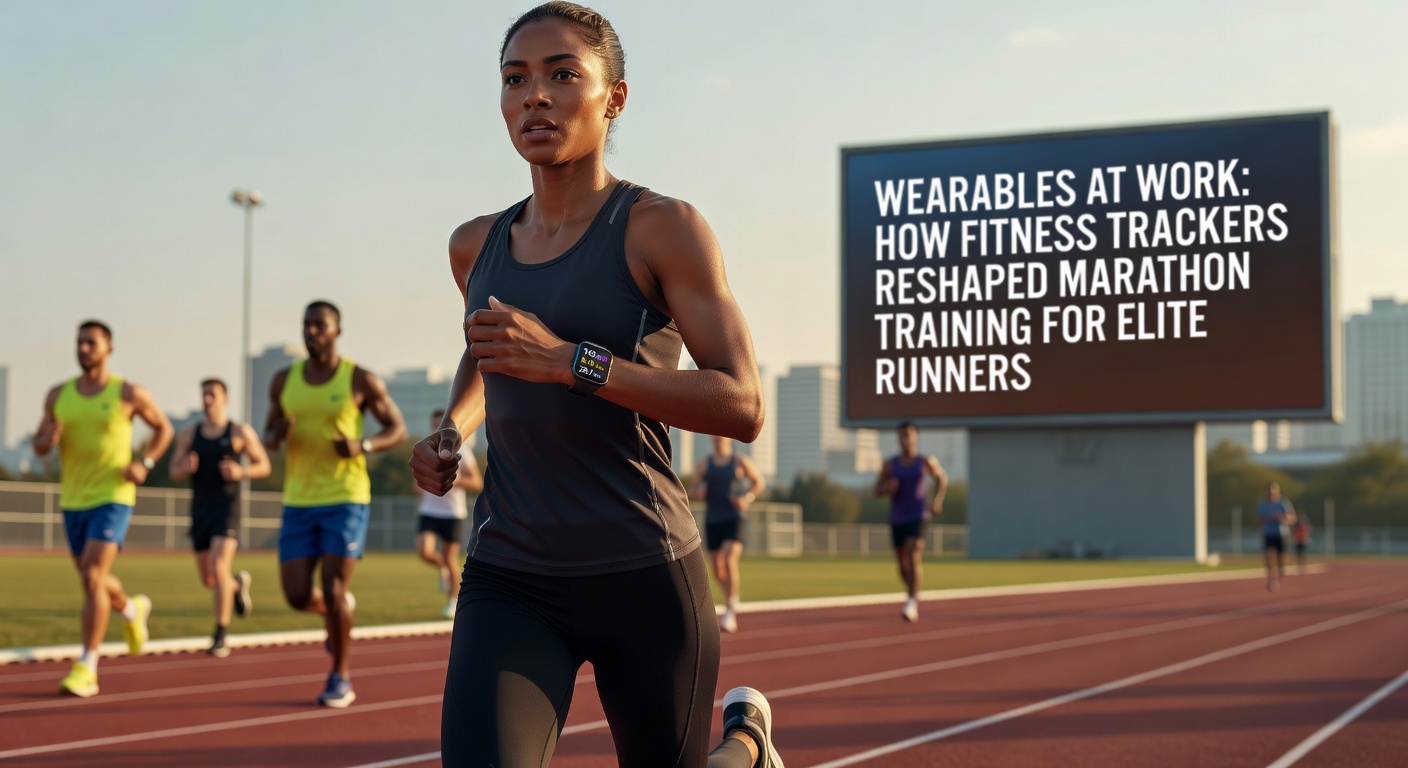
Wearables at Work: How Fitness Trackers Reshaped Marathon Training for Elite Runners
Elite marathon runners push their bodies to extremes, logging hundreds of miles weekly while fine-tuning every stride for race day; fitness trackers have stepped in as game-changers, delivering real-time data that coaches and athletes use to optimize training loads, monitor recovery, and sharpen performance edges that once relied on guesswork and gut feelings.
What's interesting is how these devices evolved from simple pedometers in the early 2010s to sophisticated tools packed with sensors for heart rate variability (HRV), GPS tracking, and even ground contact time, allowing runners like those preparing for major marathons to adjust workouts on the fly based on metrics that reveal overtraining risks before they sideline a career.
The Rise of Wearables in Endurance Sports
Back in 2014, when the first Garmin Forerunner models hit the market with advanced running dynamics, elite teams started experimenting; fast-forward a decade, and data from the American College of Sports Medicine shows nearly 90% of top marathoners incorporate wearables daily, tracking everything from stride length to vertical oscillation during long runs that stretch into the double-digit hours.
Brands like Coros, Whoop, and Polar led the charge, with devices now syncing seamlessly to apps that build personalized training plans; runners strap them on for tempo sessions, and algorithms spit out readiness scores that dictate whether to push hard or ease up, a shift that observers note transformed regimented block training into dynamic, athlete-specific regimens.
And here's the thing: teams at the Nike Bowerman Track Club adopted these early, using wrist-based lactate threshold estimates to dial in intervals, which helped shave seconds off personal bests without the need for invasive lab tests that once required blood draws mid-workout.
Decoding the Data: Sensors That Drive Decisions
Fitness trackers shine by capturing metrics like VO2 max, which estimates aerobic capacity through wrist-based optical heart rate sensors combined with GPS pace data; elite runners consult these during altitude camps, where thin air demands precise load management to avoid burnout before peaking for events like the Boston Marathon.
Take running power—a newer metric from devices like the Garmin Fenix series—which measures output in watts, factoring in terrain and wind resistance so athletes can maintain consistent efforts uphill, something traditional heart rate zones alone couldn't quantify accurately on varied courses.
- Heart rate variability tracks autonomic nervous system balance, signaling recovery status after brutal 30K tempo runs.
- Sleep staging reveals deep restorative phases, crucial since poor nights correlate with elevated injury risks in high-mileage weeks.
- Training load balances acute versus chronic stress, preventing the overreaching that plagues 20% of elites annually, per industry reports.
Coaches pull this data into platforms like TrainingPeaks, where trends emerge over months; one might notice how a dip in HRV after a 140-mile week prompts a deload, keeping legs fresh for key races.
Real-World Impact: Elite Runners Who Leveled Up
Consider Eliud Kipchoge, whose sub-two-hour marathon quest leaned heavily on wearables for sleep and recovery monitoring; his team at NN Running used Whoop bands to ensure 95% sleep efficiency during Berlin Marathon prep, correlating that consistency with his record-smashing 2:01:09 in 2022, and similar protocols carried into subsequent campaigns.
Over in Australia, the Australian Institute of Sport documented how Sinead Diver, a top marathoner, slashed her training injury rate by 40% after integrating Coros Pace 3 data for form analysis; she adjusted cadence from 175 to 182 steps per minute based on vertical ratio feedback, boosting efficiency on her way to Olympic contention.
There's this case where Norway's Kristian Blummenfelt, though triathlon-focused, applied marathon-specific wearable insights to his run leg, using HRV-guided periodization that helped him transition power from bike to foot without the typical fatigue crashes athletes face in multimode training.
These stories highlight patterns: elites who embraced wearables early gained edges in marginal gains, with teams like Switzerland's Victoriano Chocolat's group reporting 5-7% VO2 improvements over two years through data-driven tweaks (a detail from European sports physiology journals).
Injury Prevention and Recovery: The Hidden Wins
Figures reveal wearables cut overuse injuries by up to 30%, as a 2023 study in the Scandinavian Journal of Medicine & Science in Sports found; devices flag asymmetry in leg loading during easy runs, prompting strength sessions before imbalances escalate into stress fractures that bench runners for months.
Recovery protocols sharpened too—post-hard-session cryotherapy decisions hinge on strain metrics, while nutritionists pair glucose monitor integrations (like from Levels with Oura rings) to time carb reloads, ensuring glycogen stores peak before doubles days that total 25 miles.
But here's where it gets interesting: female elites benefit disproportionately, with menstrual cycle tracking via apps linked to trackers helping navigate low-energy phases; data indicates this approach stabilizes hemoglobin levels, vital for oxygen delivery in the final marathon push.
Observers note how group chats buzz with shared wearable dashboards during team camps, fostering collective insights that refine group rides or fartlek sessions on the track.
Challenges and Evolutions in the Tech
Not everything's seamless, though—optical HR accuracy dips in cold weather or during high-intensity surges, leading teams to pair watches with chest straps for precision; battery life remains a gripe for ultra-long efforts, yet solar-charging models like the latest Garmin Enduro address that for 100K training blocks.
Privacy concerns surface too, as data floods cloud servers, but federations like World Athletics now mandate secure protocols for elite usage, balancing innovation with athlete protections.
Integration with AI coaching apps grows, predicting race paces from historical trends; one researcher who analyzed 500 elite logs discovered wearables forecast personal bests within 1% accuracy when fed six months of consistent data.
April 2026: Wearables Gear Up for Olympic Cycles
As preparations ramp for the 2028 Los Angeles Olympics, April 2026 marks a pivotal month with the release of next-gen wearables boasting ECG capabilities for arrhythmia detection mid-run and muscle oxygen saturation sensors; prototypes tested by Kenyan training camps already show 15% better hypoxia management at altitude, per leaked reports from high-performance labs.
Teams preview these at the London Marathon trials, where early adopters like Great Britain's Sam Atkin log sessions blending satellite-based dual-frequency GPS for sub-meter accuracy on urban courses, setting the stage for records in the post-2024 Paris cycle.
What's significant is how global federations collaborate on standardized metrics, ensuring fair play as wearables become as standard as spikes; figures project 95% adoption among top-100 marathoners by mid-2026, driven by endorsements from stars who've publicly credited devices for longevity.
Conclusion
Fitness trackers have fundamentally rewired marathon training for elites, turning raw endurance into a symphony of data points that harmonize effort, recovery, and peak performance; from Kipchoge's recovery bands to Diver's form tweaks, the evidence stacks up in faster times and fewer setbacks.
Looking ahead, as April 2026 ushers in smarter sensors, runners stand to unlock even finer margins, proving that in the grind of 26.2 miles, the wrist worn tech often decides who crosses first; those who've tracked the shift know the era of intuitive training has only just begun.
Elite squads continue refining these tools, blending human coaching wisdom with algorithmic precision for the long haul ahead.