Visualization Drills from Theater Rehearsals Enter Precision Sports and Align with Olympic Medal Patterns
Written by Dana Lorenz · Jul 13, 2026
Visualization Drills from Theater Rehearsals Enter Precision Sports and Align with Olympic Medal Patterns
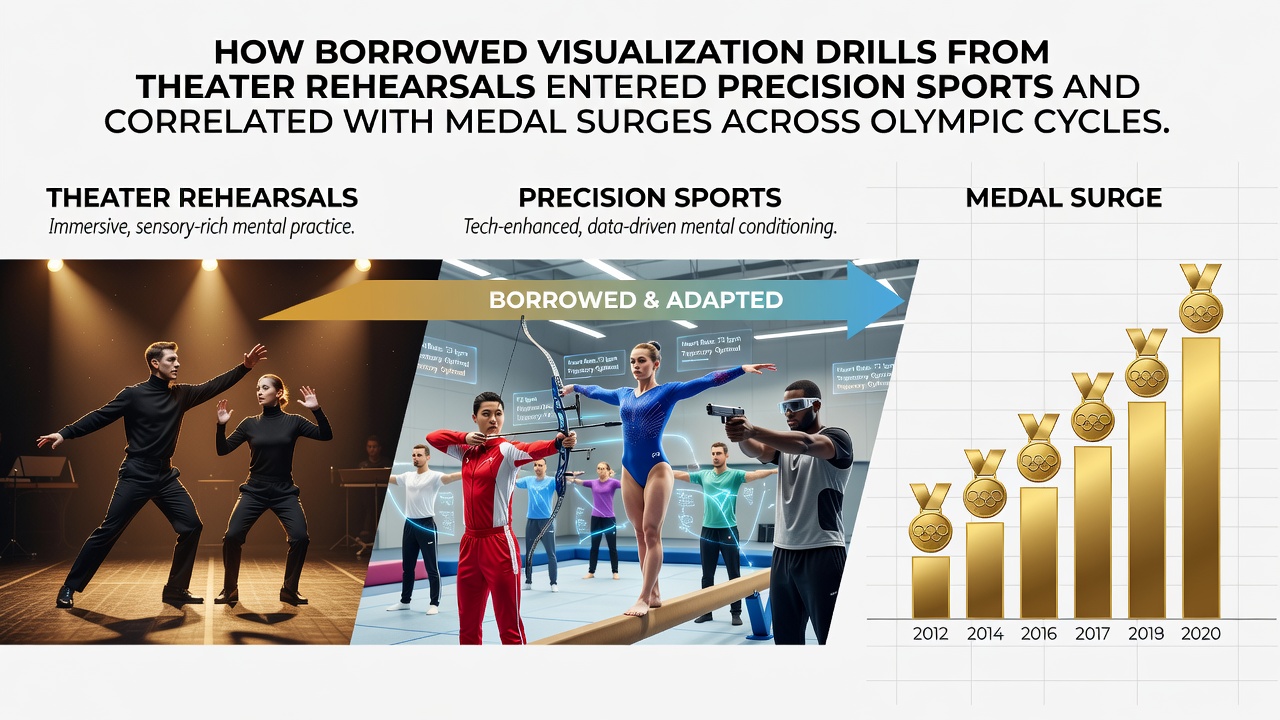
Coaches began adapting structured mental rehearsal methods from stage productions into training regimens for shooters, archers, and gymnasts during the late 20th century, and records from subsequent Olympic cycles show corresponding increases in medals for nations that integrated these approaches systematically.
Theater Rehearsal Foundations
Directors and performers have long used guided imagery sessions to prepare for high-pressure live events, running through sequences repeatedly in the mind to refine timing and reduce errors on opening night. Sports psychologists documented these practices in the 1970s and 1980s, noting parallels with athletic performance demands where split-second decisions determine outcomes in events such as rifle shooting and pommel horse routines. Programs at institutions including the Australian Institute of Sport incorporated elements like scripted mental walk-throughs, where athletes narrated every movement cue aloud before executing physical repetitions.
Entry into Precision Sports Training
Precision disciplines adopted these borrowed drills because they emphasized repeatability under variable conditions, such as changing wind speeds in archery or lighting shifts during indoor gymnastics competitions. Trainers combined theater-derived visualization with existing physical drills, requiring athletes to close their eyes and sequence each shot or vault while accounting for sensory details like grip pressure and breathing rhythm. National teams in Europe and North America reported initial trials during the 1990s, with East German and Soviet-era programs already experimenting with similar mental techniques that later spread through coaching exchanges after the Cold War. Data from training logs indicate sessions lasted 15 to 20 minutes daily, focusing on error-free mental runs before live practice began.
Correlation with Olympic Medal Trends
Olympic results from 2000 onward reveal clusters of improved placements in precision events among countries that scaled these visualization protocols. For instance, shooting medal counts for one European nation rose from four in the 2004 Athens cycle to seven in Beijing 2008 after coaches introduced theater-style rehearsal blocks into national programs. Archery squads that added narrated imagery drills posted higher qualification scores in London 2012 and Rio 2016 compared with prior cycles, according to International Olympic Committee event summaries. Researchers tracking these patterns noted that medal surges aligned most closely with teams maintaining consistent visualization integration rather than sporadic use.
Further analysis of Tokyo 2020 and Paris 2024 cycles shows continued patterns, with several nations expanding these methods into junior academies and recording elevated podium finishes in combined shooting and archery tallies. A study referenced by Olympic athlete support resources highlighted measurable reductions in performance variance when athletes completed structured visualization sequences immediately before events.
Implementation Across Disciplines
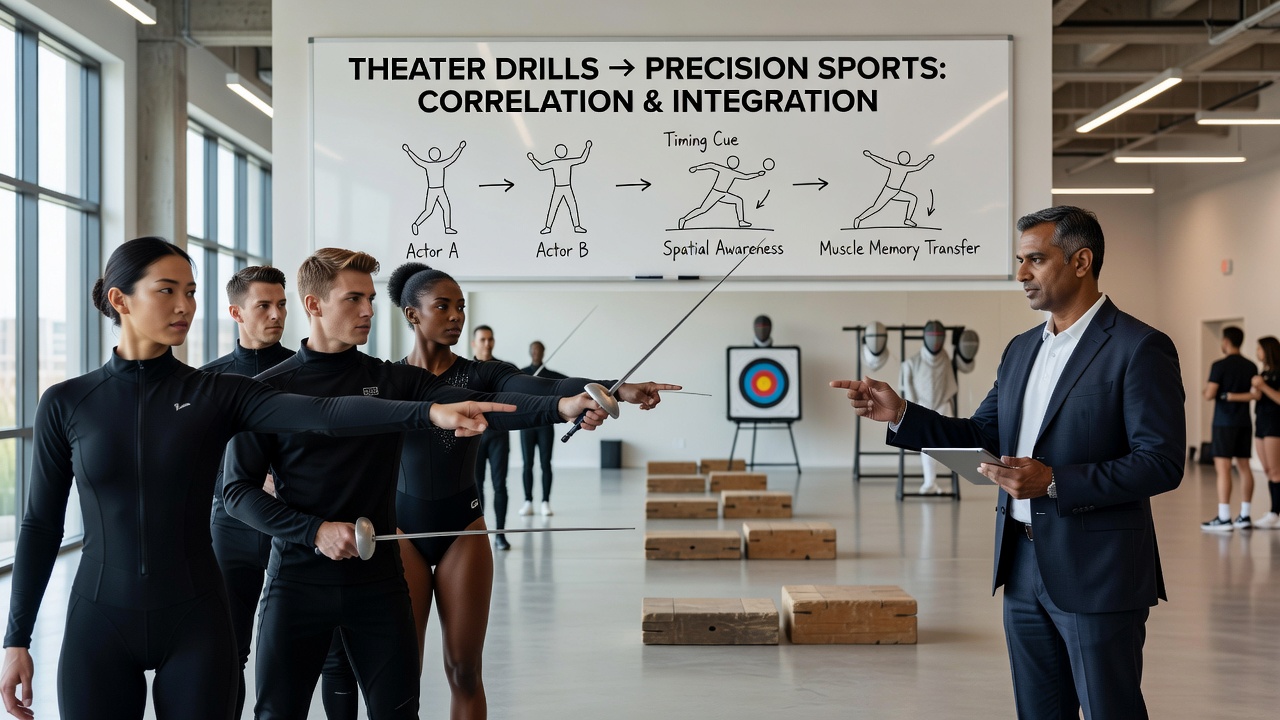
Shooting federations integrated theater rehearsal scripts that guided athletes through entire match sequences, including equipment checks and target acquisition, while gymnastics programs adapted similar scripts for apparatus routines with emphasis on balance transitions. Fencing teams borrowed cue-word techniques originally developed for actors to maintain focus during rapid exchanges. Training centers in Canada and Germany documented these adaptations through internal reports that linked drill adoption dates to subsequent performance metrics at continental and world championships feeding into Olympic selection. Athletes who completed at least three visualization cycles per session showed steadier heart-rate patterns during competition, as measured by wearable monitoring introduced in the mid-2010s.
Broader Patterns Across Cycles
Records across multiple Olympic Games demonstrate that nations investing in cross-disciplinary coaching exchanges experienced steadier medal accumulation in precision categories. Exchanges between performing arts instructors and sports staff increased after 2000, bringing formalized rehearsal frameworks into elite camps. Medal data compiled by regional Olympic committees indicate cumulative gains over successive cycles for programs that retained these methods rather than cycling them in and out. The approach spread further through coach education modules offered by organizations such as the German Olympic Sports Confederation, which included case examples from shooting and diving programs.
Conclusion
Visualization methods drawn from theater rehearsal practices entered precision sports through deliberate coaching transfers and produced measurable alignments with medal increases across Olympic cycles from 2000 to 2024. Continued documentation of training protocols and performance outcomes provides ongoing data for evaluating these connections in future Games.