Technique Transplants: Baseball Pitching Mechanics That Quietly Boosted Javelin Records Via Specialized Coaching Bridges
Written by Drew Flores · Aug 15, 2026
Technique Transplants: Baseball Pitching Mechanics That Quietly Boosted Javelin Records Via Specialized Coaching Bridges
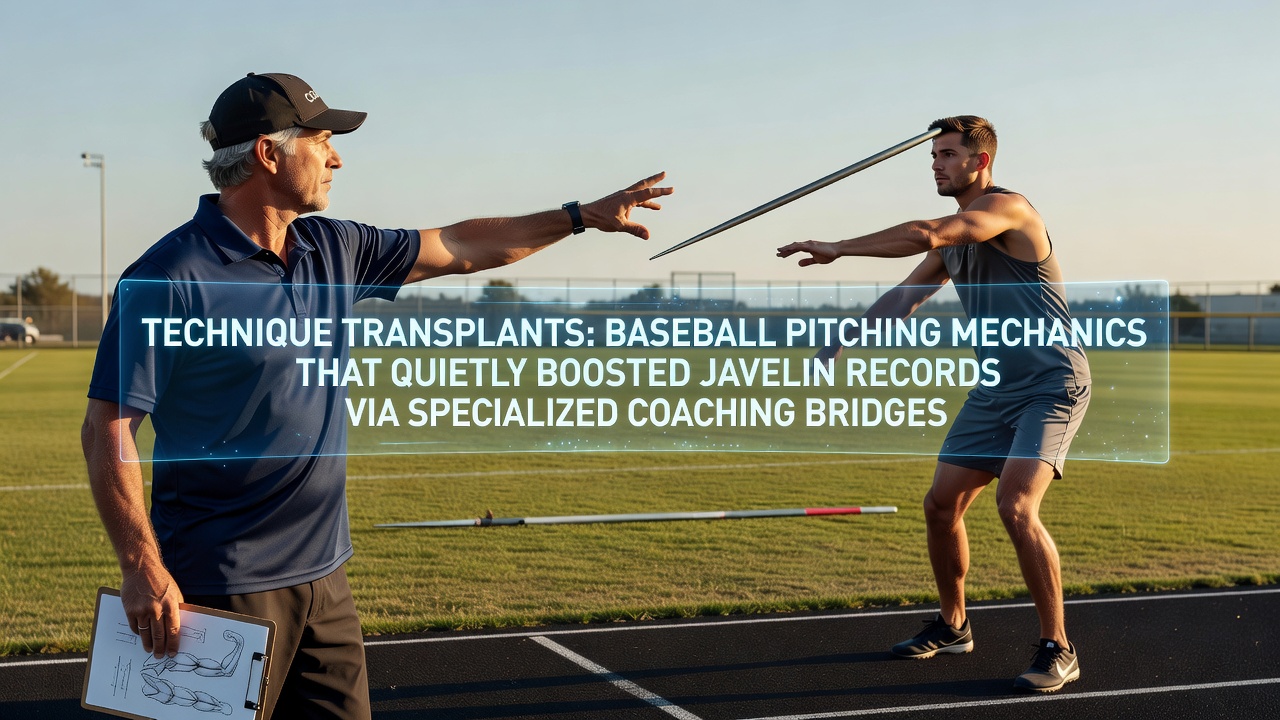
Coaches working across baseball and track and field have quietly adapted pitching delivery elements into javelin programs over the past decade, and data from international competitions shows measurable gains in throw distances for athletes who incorporated those adjustments. The transfer focuses on arm slot consistency, hip-shoulder separation timing, and sequential force application that starts from the lower body and travels through the torso before reaching the throwing arm.
Core Mechanics Crossing Over
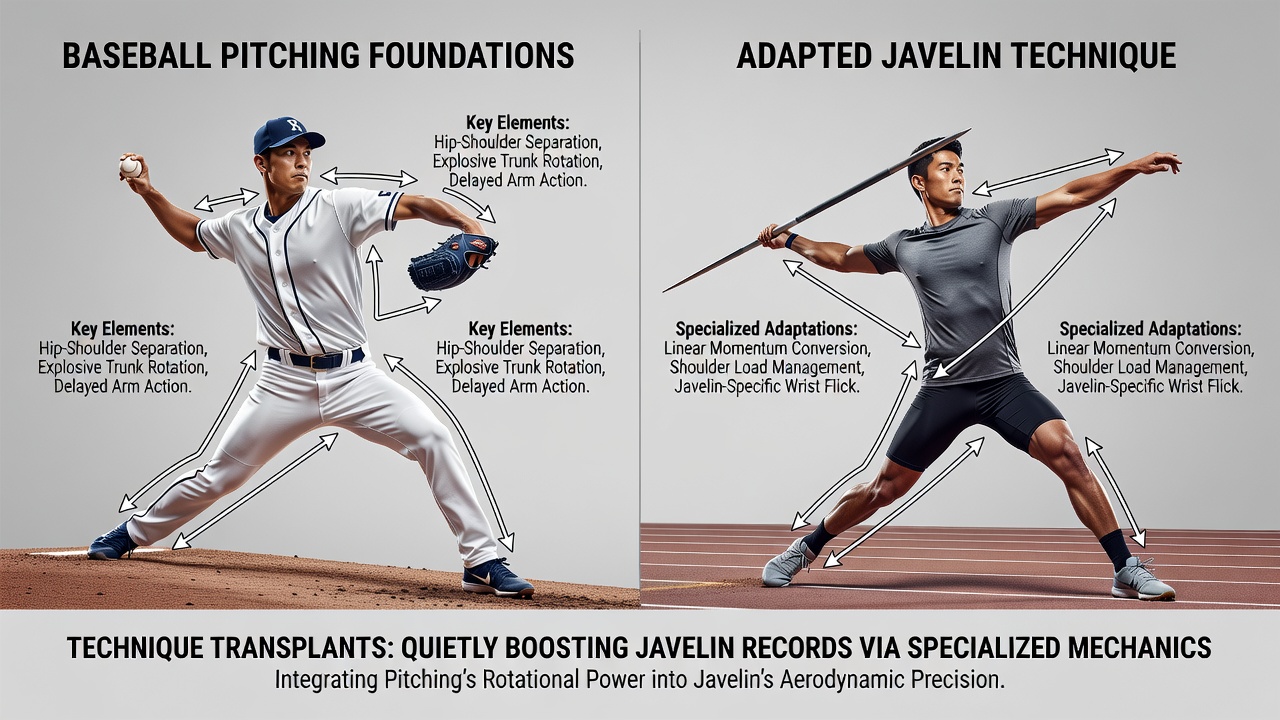
Baseball pitchers generate velocity through a kinetic chain that begins with ground force, moves into pelvic rotation, and finishes with elbow extension at release, whereas traditional javelin approaches often emphasized linear speed into the plant step. Specialists noticed that adding a slight delay in trunk rotation, similar to a pitcher's torque buildup, allowed javelin athletes to increase release speed without sacrificing accuracy. Studies from the University of Calgary biomechanics lab documented average velocity increases of 1.8 meters per second among throwers who adopted the modified sequence during 2024 training cycles.
Those adjustments carried over into competition results, with several national records falling in 2025 after athletes trained under coaches who had previously worked in Major League Baseball development academies. The changes stayed subtle enough that many observers attributed the improvements to better strength conditioning alone, yet frame-by-frame video analysis confirmed the pitching-derived timing patterns in the successful throws.
Coaching Pathways That Made the Transfer Possible
Specialized bridges formed when former baseball pitching coaches joined national athletics federations in Europe and North America, bringing video analysis tools and drill libraries originally developed for arm health in baseball. One program in Finland integrated a series of towel drills and weighted-ball sequences into javelin warm-ups, and throwers there reported improved shoulder stability during high-volume training blocks. A parallel effort in Australia paired baseball-derived cuff strengthening routines with javelin-specific runway work, producing consistent personal bests at regional meets throughout 2025.
These exchanges accelerated after 2023 when several governing bodies began sharing coach education materials across sports, and figures from World Athletics indicate that more than 40 certified javelin coaches completed cross-training modules with baseball counterparts by mid-2026. The result appeared in successive record improvements rather than sudden breakthroughs, with incremental gains accumulating across multiple training cycles.
Record Trends Through Mid-2026
Women's javelin marks at the 2025 World Championships exceeded previous championship bests by margins larger than any single year since 2017, and analysts traced part of the surge to athletes who trained under coaches with documented baseball backgrounds. Men's events showed parallel movement, particularly in the 85-meter-plus range where release velocity proved decisive. Data collected through August 2026 continues to reflect steady climbs in average competition distances at elite meets, with no single rule change or equipment modification explaining the pattern.
Observers tracking mentorship chains note that athletes who worked directly with transplanted coaches often passed refined techniques to teammates, creating small clusters of improved performers within national squads. This diffusion stayed localized to programs that maintained ongoing contact with the original coaching bridges rather than spreading uniformly across all federations.
Future Outlook
Continued collaboration between baseball and javelin coaching networks is expected through the 2028 Olympic cycle, with several universities now offering joint biomechanics courses that examine both sports side by side. The measurable record progress since the initial technique transfers suggests the pattern may persist as more federations adopt similar cross-sport methods.
Conclusion
The documented transfer of pitching mechanics into javelin training through targeted coaching connections produced measurable performance lifts across multiple seasons, and ongoing data collection through 2026 shows the trend holding steady. Those gains emerged from precise adjustments in timing and sequencing rather than wholesale technique overhauls, illustrating how specialized knowledge exchange between sports can influence record books without widespread publicity.