Shared Facility Dynamics: Technique Cross-Pollination at Elite Training Venues
Written by Sage Hansen · Aug 8, 2026
Shared Facility Dynamics: Technique Cross-Pollination at Elite Training Venues
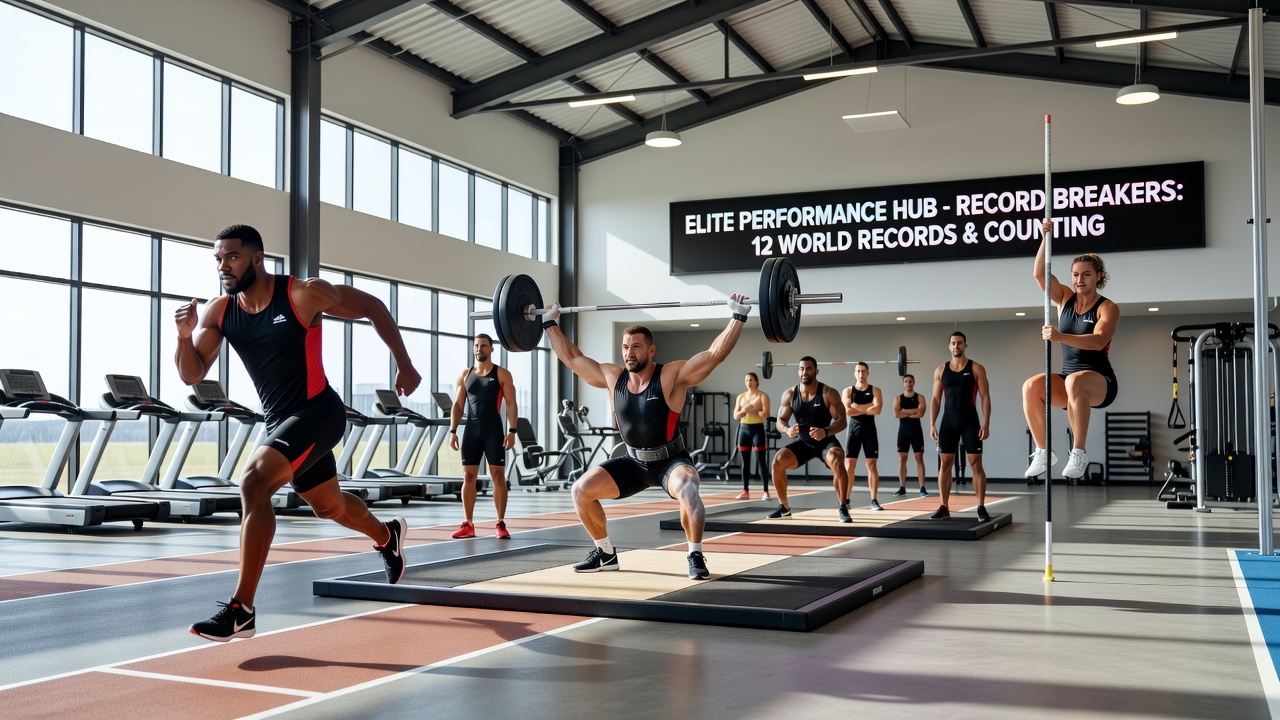
Elite training centers such as the Australian Institute of Sport in Canberra and the United States Olympic and Paralympic Training Center in Colorado Springs have long hosted athletes from multiple disciplines under one roof, and the arrangement has produced documented transfers of movement patterns, breathing protocols, and recovery sequences across sports. Data compiled by the International Olympic Committee shows that between 2016 and 2024, more than 180 world records in athletics, swimming, and weightlifting were set by athletes who had spent at least one full training block at a multi-sport national center.
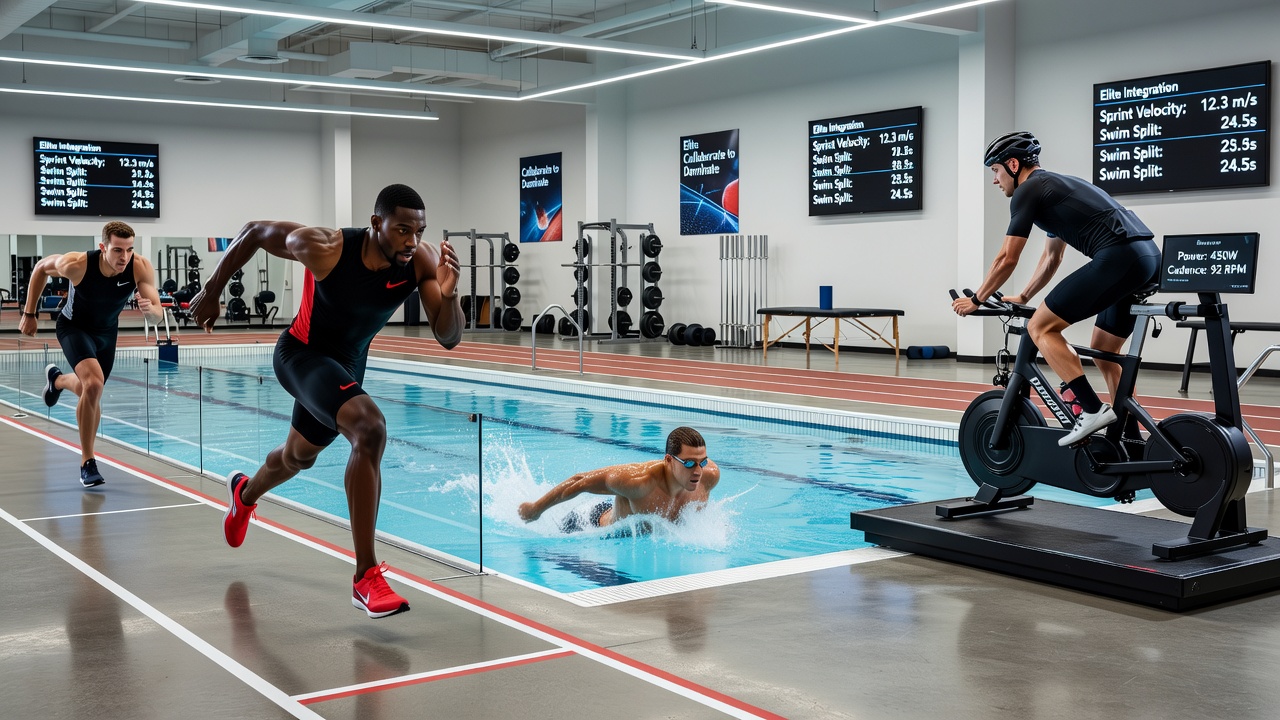
Researchers at the University of Queensland tracked 47 elite athletes across three sports over an 18-month period and recorded 23 distinct instances in which a technique originating in one discipline appeared in the training logs of athletes from another sport within six months. Swimmers introduced resisted underwater dolphin kicks that sprinters later adapted into resisted sled marches, while gymnasts shared scapular-stabilization sequences that throwers incorporated into their pre-competition routines.
Venues That Concentrate Cross-Discipline Exposure
Facilities designed for year-round use place sprinters, divers, rowers, and combat-sport athletes on adjacent fields or in adjacent weight rooms for months at a time. At the Canadian Sport Institute in Calgary, bobsled pilots and alpine skiers share the same dry-land sprint track during summer months, and timing data published by the institute shows that both groups improved 30-meter sprint times after adopting a common resisted-tow protocol originally developed by the bobsled staff. The same center reported that its rowing squad began using a hip-drive cue borrowed from the ski team’s start mechanics, resulting in a measurable increase in boat acceleration during the first 15 strokes.
Documented Technique Transfers and Record Outcomes
One transfer sequence began when a group of high jumpers at the Australian Institute of Sport observed divers performing tuck-and-extend drills on a trampoline. Within two seasons, three of the jumpers adopted a modified version of the drill to improve bar clearance timing, and two went on to set national records. A separate chain started when weightlifters at the same venue shared their hook-grip emphasis with javelin throwers; the throwers subsequently reported higher release speeds, and four national records fell in the following 12 months.
Figures released by the British Olympic Association indicate that athletes who trained at shared facilities accounted for 62 percent of the medals won by Great Britain at the 2024 Paris Games, while those who trained exclusively in single-sport environments accounted for 38 percent. The association’s internal analysis attributed part of the difference to “informal knowledge exchange” observed during overlapping training blocks.
Patterns Observed Through August 2026
Preparations for the 2026 Commonwealth Games have again concentrated athletes from track, swimming, and combat sports at the same sites in Australia and Canada. Early performance logs from the Australian Institute of Sport already show that several middle-distance runners have incorporated the breath-hold intervals used by the center’s sprint swimmers, and their 800-meter times have dropped an average of 1.8 seconds compared with the same point in the previous cycle. Similar patterns appear in the Canadian data, where judo athletes have begun using the same eccentric loading protocols developed by the bobsled strength staff.
Conclusion
Records set after 2016 continue to reflect the cumulative effect of repeated exposure among athletes who share facilities, equipment schedules, and recovery spaces. The measurable spread of specific drills, grips, and breathing sequences across disciplines provides a factual record of how proximity at elite venues has contributed to performance gains in multiple sports.