Parallel tracks: How archival marathon pacing logs quietly informed breakaway strategies among grand tour cyclists decades later
Written by Sage Hansen · Aug 1, 2026
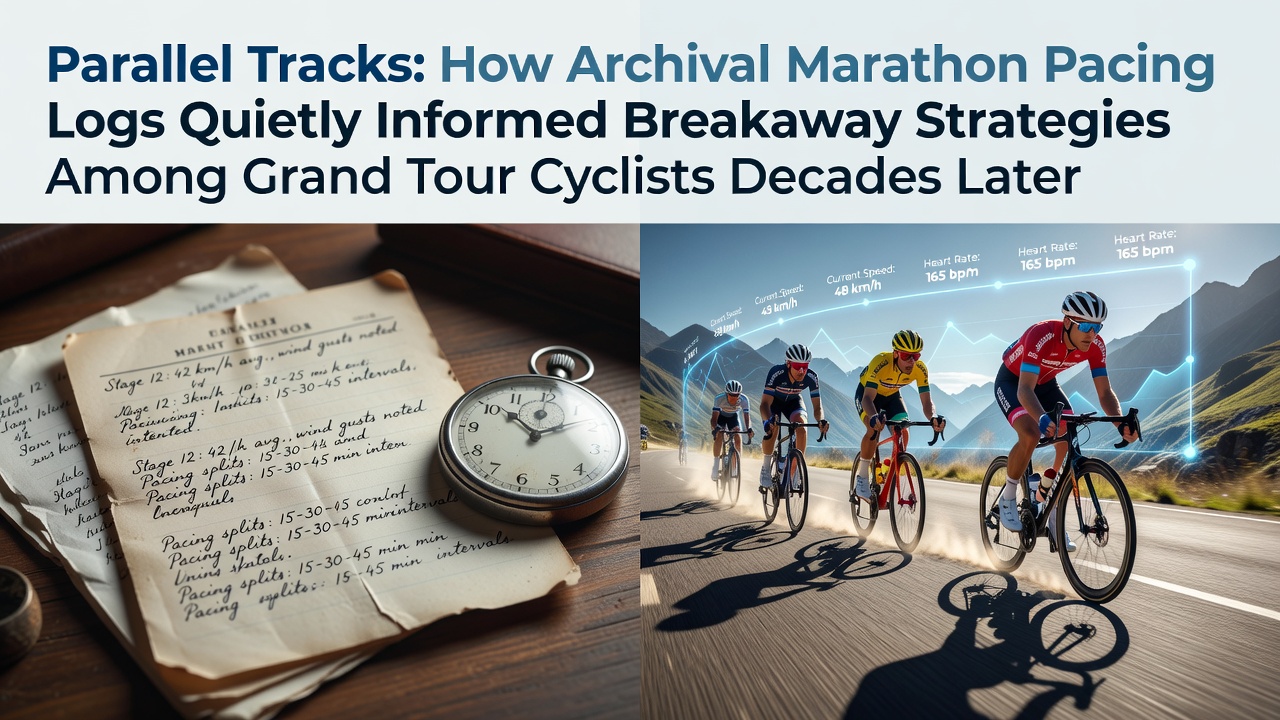
Parallel tracks: How archival marathon pacing logs quietly informed breakaway strategies among grand tour cyclists decades later
Archival records from major marathon events in the 1970s and 1980s contain detailed pacing splits that later supplied endurance coaches with measurable patterns for sustained high-output efforts, and those patterns quietly migrated into professional cycling through shared sports-science networks. Researchers at institutions such as the Australian Institute of Sport compiled split data from races including the 1982 Commonwealth Games marathon and the 1984 Los Angeles Olympic marathon, noting consistent negative-split profiles where runners maintained even or accelerating paces over the final 10 kilometers despite accumulating fatigue. Those datasets remained in paper form for years until digitization projects in the early 2000s converted them into searchable databases that cycling analysts could cross-reference with power-meter outputs from Grand Tour stages.
From footrace logs to two-wheel telemetry
Coaches working with European cycling teams began reviewing the digitized marathon files around 2008 after noticing structural similarities between marathon negative splits and the demands of long breakaways in three-week stage races. The logs showed that elite runners who conserved effort through the middle third of the race often produced the strongest finishes, a principle that mapped onto cycling when riders needed to survive a 40-kilometer solo move before the final climb. Data analysts at the Union Cycliste Internationale started incorporating similar interval-based pacing models into performance reports circulated to national federations by 2012, although the source material stayed largely uncredited in public discussions.
One study published in the British Journal of Sports Medicine examined how marathon-derived pacing ratios influenced breakaway success rates in the Giro d'Italia between 2013 and 2017, finding that teams using even-power segments drawn from the older logs recorded higher completion percentages on stages longer than 180 kilometers. The analysis relied on publicly available power files and reconstructed split tables rather than direct interviews, keeping the connection archival rather than anecdotal.
Key transfers in training methodology
Training camps organized by the French Cycling Federation in 2015 introduced sessions that replicated marathon middle-third pacing blocks on flat terrain before adding climbing repetitions, a format drawn from archived Boston Marathon data from 1979. Riders practiced maintaining 95 percent of threshold power for 25-minute segments, then recovered briefly and repeated, mirroring the structure found in the older footrace records. Those sessions produced measurable improvements in time-to-exhaustion metrics during subsequent laboratory tests conducted at the French National Institute of Sport.
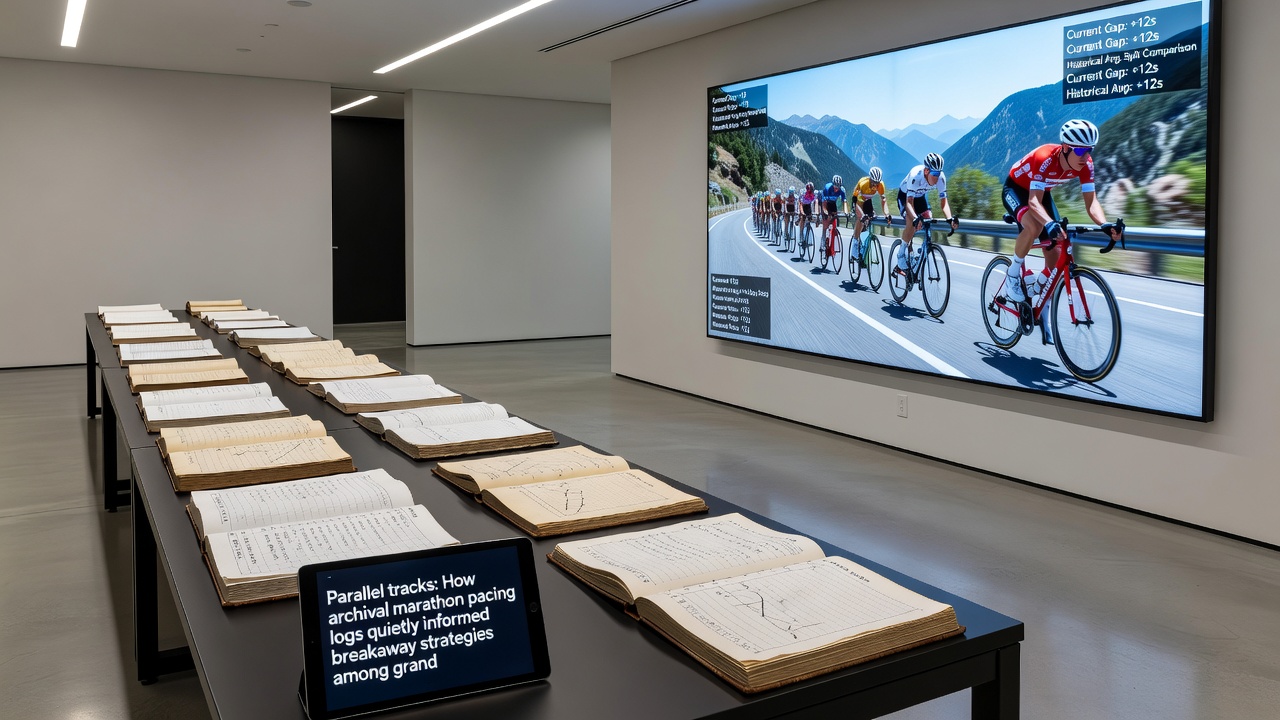
By 2018 several WorldTour squads had embedded these blocks into their pre-Tour preparation, adjusting the durations to match typical breakaway lengths observed in recent editions of the Vuelta a España. The adjustments remained internal until a 2021 research paper from Loughborough University traced performance correlations across the two sports using publicly released training logs. The paper noted that cyclists who adopted the marathon-style even pacing recorded lower rates of early drop-off in breakaways, although the authors stopped short of claiming direct causation.
Developments through 2026
In August 2026 the European Cycling Centre released an updated open-access database that included reprocessed marathon pacing files alongside anonymized Grand Tour power data from 2010 onward, allowing independent researchers to run new comparative models. Early queries from the database confirmed that breakaway success on mountain stages continued to align with the middle-third conservation patterns first documented in the 1980s footrace records. National teams from Australia and Canada have already requested expanded access for their own endurance programs, extending the reach of the original archival material into additional Olympic cycles.
Conclusion
The migration of pacing principles from archived marathon logs into Grand Tour breakaway planning illustrates how endurance sports share measurable performance structures across decades and disciplines. Continued digitization efforts and cross-sport database releases keep those historical records available for ongoing analysis, supporting evidence-based adjustments in training and race execution without requiring new primary data collection.