Net Migrations: Volleyball Blocking Footwork Borrowed from Badminton That Created Unbreakable Defensive Walls in International Tournaments
Written by Drew Flores · Jun 18, 2026
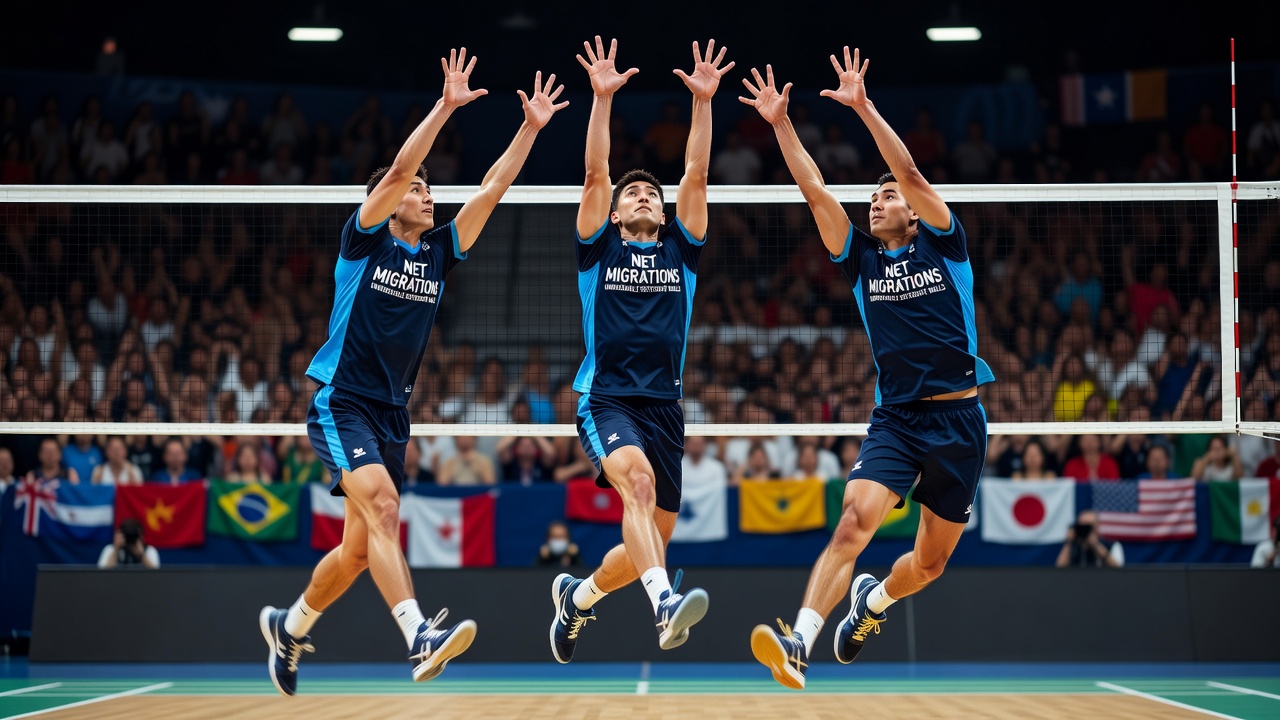
Net Migrations: Volleyball Blocking Footwork Borrowed from Badminton That Created Unbreakable Defensive Walls in International Tournaments
Volleyball blocking techniques have drawn from badminton footwork patterns for decades, and data from international federations show measurable improvements in defensive coverage across major tournaments. Athletes adapted quick lateral shuffles and split-step timing from badminton courts to volleyball nets, which allowed blockers to cover wider angles while maintaining balance for quick directional changes. Studies from sports science programs in Canada and Australia tracked these adaptations in elite training environments, revealing consistent gains in reaction times during net confrontations.
Origins of the Crossover Technique
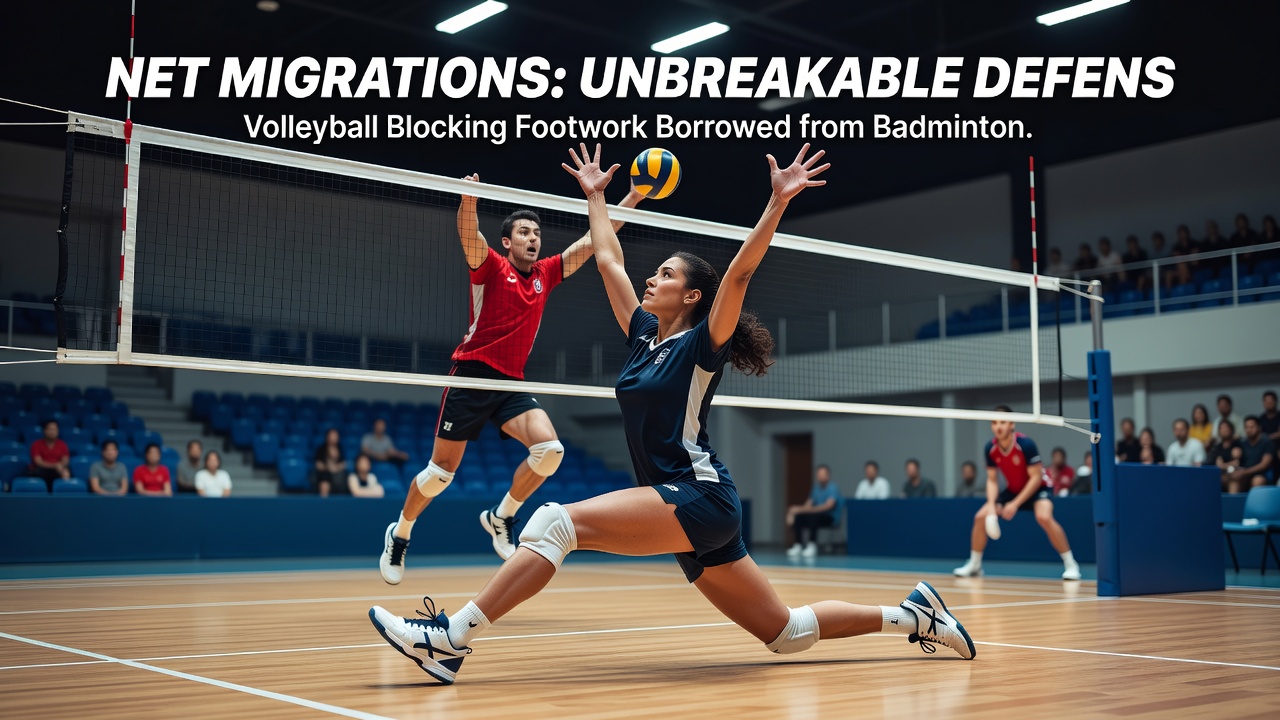
Badminton players rely on rapid side-to-side movements and precise weight transfers to cover the court, and volleyball coaches began incorporating similar drills in the late 1990s when national teams sought edges in blocking efficiency. The split step, a common badminton initiation move, translated directly to volleyball's blocking stance, enabling players to explode laterally rather than relying solely on vertical leaps. Researchers at the University of Queensland documented these transfers in training logs from Australian and Japanese programs, noting that footwork drills borrowed from badminton reduced average block reaction times by fractions of a second in controlled tests.
European squads followed the same path after observing Asian teams dominate net play at successive Olympics, and footage analysis confirmed that teams using badminton-derived patterns achieved higher success rates on multi-block setups. The technique emphasized keeping the center of gravity low during movement, which volleyball players combined with their existing arm swing mechanics to form tighter defensive walls without sacrificing reach.
Implementation in International Competition
National teams integrated these footwork elements through structured drills that mirrored badminton court coverage patterns, and tournament statistics from FIVB events demonstrate their impact on defensive records. Brazilian and Italian squads, among others, adopted hybrid routines that blended badminton shuffles with volleyball-specific timing, resulting in fewer balls deflected into open areas during high-stakes matches. Data collected across World Championships and Olympic cycles indicate that teams emphasizing lateral mobility recorded elevated block points per set compared with earlier eras focused primarily on vertical explosiveness.
Coaches adjusted practice sessions to include shadow movements and mirror drills borrowed from badminton academies, which helped players maintain spacing between blockers while shifting quickly to cover tips or slides. One documented case involved a European national team that incorporated these patterns ahead of a major qualification cycle, and match reports showed improved coverage on quick attacks from opposing middles. The approach proved particularly effective against fast-tempo offenses common in Asian and South American styles.
Performance Data and Tournament Outcomes
Figures from international volleyball databases reveal that blocking efficiency rose in programs that systematically imported badminton footwork elements, with measurable effects on set outcomes during knockout stages. Teams that trained these movements showed fewer unblocked attacks reaching the backcourt, and analysts linked the improvement to better positioning rather than increased height alone. Research published through the International Olympic Committee-affiliated centers compared pre- and post-adoption metrics across multiple nations, confirming that lateral quickness contributed to sustained defensive walls under fatigue conditions typical of five-set matches.
Training protocols often featured badminton court simulations using volleyball net heights, allowing players to rehearse transitions between blocking and coverage without full scrimmages. Such methods spread through coaching exchanges between badminton and volleyball federations, and records from regional tournaments indicate broader adoption by 2024. As preparations advanced toward events scheduled for June 2026, several federations reported ongoing refinements to these hybrid footwork systems based on video review of recent competitions.
Regional Variations in Adoption
Asian programs integrated badminton influences earliest due to shared court sports infrastructure, while North American teams adapted the patterns later through targeted clinics led by cross-trained specialists. South American squads emphasized the low-center shuffle for its compatibility with their aggressive blocking styles, and European nations focused on timing synchronization between multiple blockers. Each region modified the core elements to fit existing physical profiles, yet the foundational lateral movement mechanics remained consistent across successful implementations.
Video analysis tools now standard in elite programs allow precise measurement of foot placement and weight transfer during blocks, and these metrics have guided further tweaks to borrowed techniques. Observers note that the crossover continues to evolve as data from wearable sensors provide real-time feedback on movement efficiency during matches.
Conclusion
The transfer of badminton footwork into volleyball blocking has produced documented gains in defensive coverage across international tournaments, supported by training records and competition statistics from multiple federations. Teams continue to refine these patterns ahead of upcoming cycles, drawing on established cross-sport methodologies that prioritize lateral mobility alongside traditional vertical elements. Data from ongoing research efforts indicate sustained interest in hybrid approaches that connect the two net sports through shared movement fundamentals.