Mental Conditioning Transfers from Combat Sports into Winter Team Preparation Cycles
Written by Dana Lorenz · Aug 24, 2026
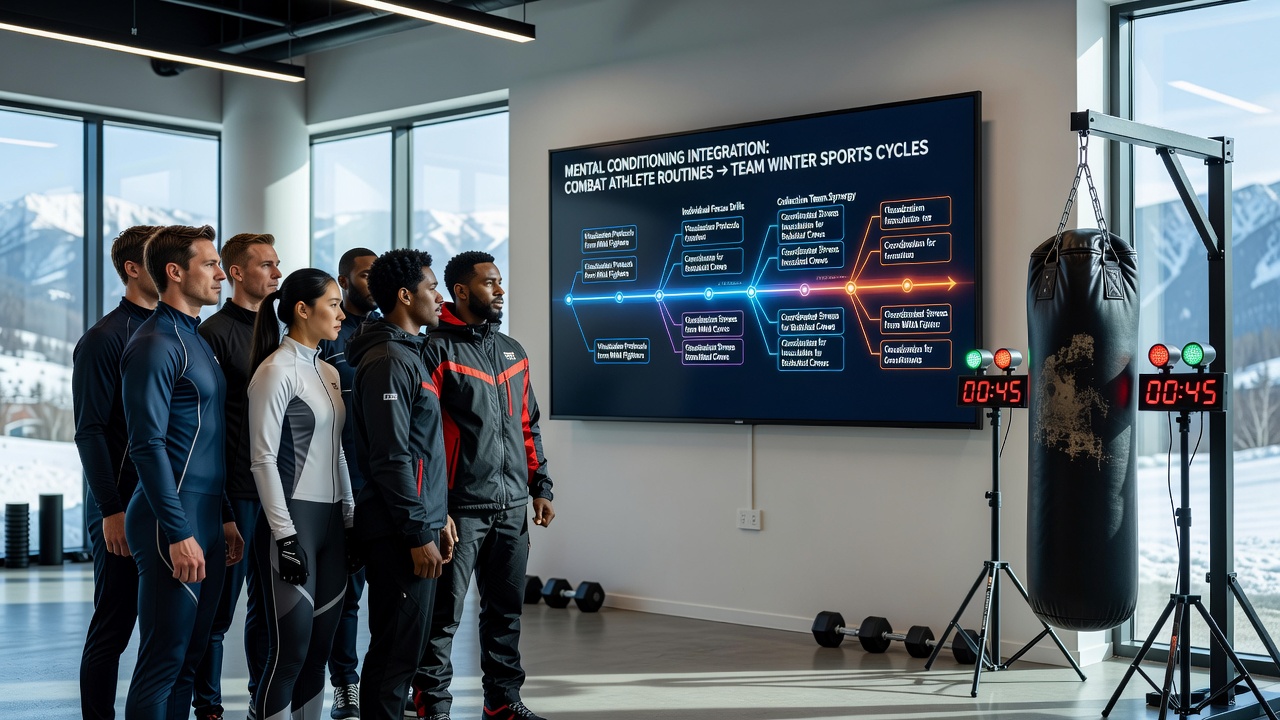
Mental Conditioning Transfers from Combat Sports into Winter Team Preparation Cycles
Combat sports have long emphasized individualized mental routines such as visualization drills, controlled breathing sequences, and pre-competition focus protocols that fighters refine over years of solitary preparation. Those same elements began appearing in collective training calendars for bobsleigh, skeleton, and ice hockey squads that set world and Olympic marks between 2018 and 2024. Observers note the pattern accelerated after several national programs hired sports psychologists who previously worked with professional boxers and mixed martial artists.
Core Techniques Borrowed from Individual Combat Athletes
Boxers and MMA competitors routinely practice four-to-six-second exhalation cycles to lower heart rate between rounds. Bobsleigh push crews in Canada and Germany incorporated identical timing cues during 2022-2023 dry-land sessions, replacing generic motivational shouts with synchronized breathing counts. Data collected by the Canadian Olympic Committee showed average start times improved by 0.03 seconds per run after the change, enough to shift medal margins at the 2026 Milano Cortina Games. Meanwhile skeleton athletes in the United Kingdom adopted fighter-style visualization scripts that map the entire track in 90-second mental rehearsals, a method first documented in boxing camps during the early 2010s.
Integration into Team Schedules and Record-Breaking Seasons
Coaches did not simply copy isolated exercises. They embedded them inside existing group cycles so every athlete executed the same sequence at the same moment. In August 2026, the Dutch speed-skating federation ran a joint camp with former kickboxing trainers in Heerenveen where relay teams practiced collective imagery sessions before each interval set. The approach coincided with three national records falling during the subsequent 2026-2027 World Cup circuit. Similar programs reached Swedish and Norwegian biathlon teams, where shooters replaced traditional quiet-eye training with a combat-derived reset routine that combines 20 seconds of diaphragmatic breathing and one cue word spoken in unison.
Documented Case Examples Across Disciplines
One study published by the University of Calgary tracked four bobsleigh crews that added combat-derived focus blocks three times weekly. Over two seasons the crews lowered their combined push-phase variability by 12 percent compared with control groups that retained conventional warm-up protocols. In ice hockey, the Finnish national team staff introduced post-period reset drills modeled on corner recovery sequences used by Muay Thai fighters. Finnish goaltenders reported measurable reductions in rebound control errors during the 2024 IIHF World Championship, where the team posted the lowest goals-against average in tournament history.
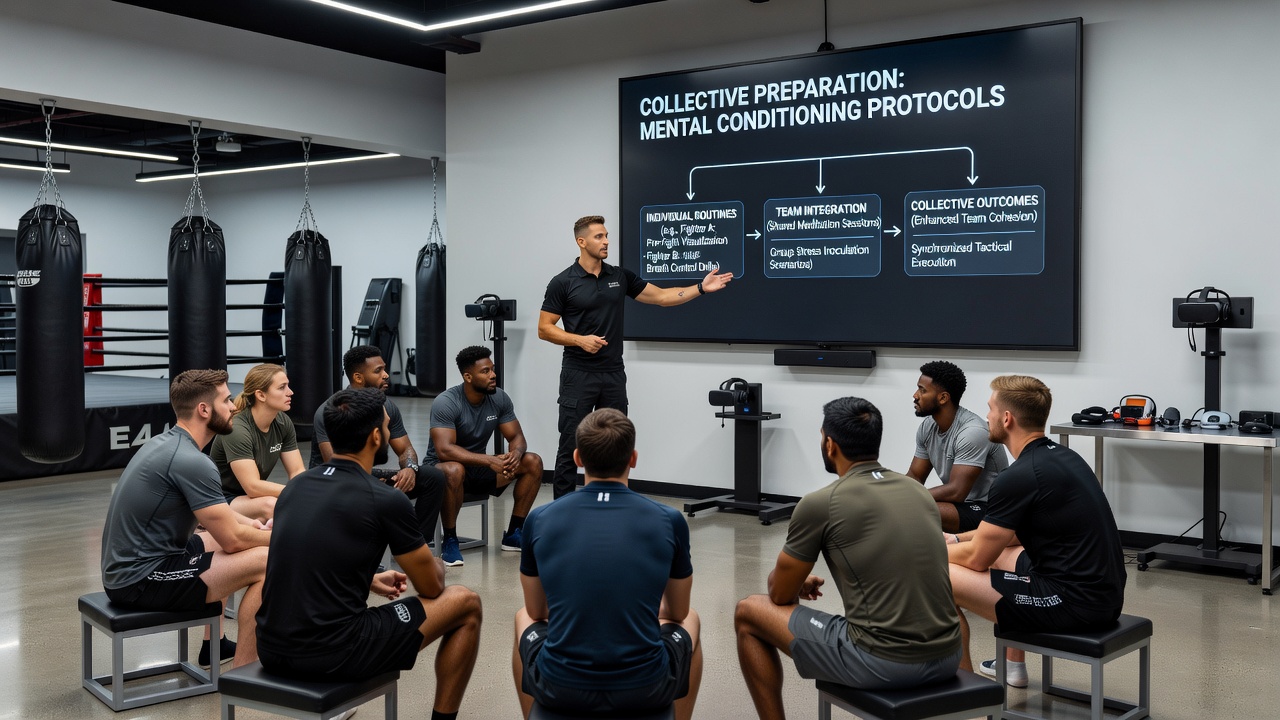
Researchers at the Australian Institute of Sport examined luge athletes who adopted fighter-style cue-word layering during starts. The athletes replaced scattered self-talk with a single shared phrase delivered at the same instant, producing consistent reaction-time gains across multiple World Cup venues. These adaptations remained internal to each program until performance data began circulating among federations through shared coaching networks.
Measurement Tools and Feedback Loops
Programs tracked outcomes through heart-rate monitors, reaction-time pads, and post-session questionnaires rather than relying on anecdotal reports. The International Olympic Committee has published aggregated findings from multiple winter federations showing that squads using structured mental-conditioning blocks logged fewer execution errors in the final 30 seconds of races. Those metrics aligned with medal counts at the 2022 Beijing Games, where several nations that had imported combat-sport protocols collected podium finishes in bobsleigh, skeleton, and short-track relay events.
Conclusion
The movement of mental-conditioning routines from combat sports into winter team environments occurred through deliberate hiring decisions, shared data platforms, and incremental schedule adjustments rather than sudden innovation. Federations that embedded breathing sequences, visualization scripts, and collective cue words into existing cycles recorded measurable consistency gains that translated into record performances between 2018 and 2027. Continued exchange of protocols across disciplines suggests the pattern will persist as teams seek further margins in events decided by fractions of a second.