Legacy Lines: How Elite Coaches Shaped Record Holders Through Cross-Sport Mentorship Networks
Written by Felix Ludwig · May 30, 2026
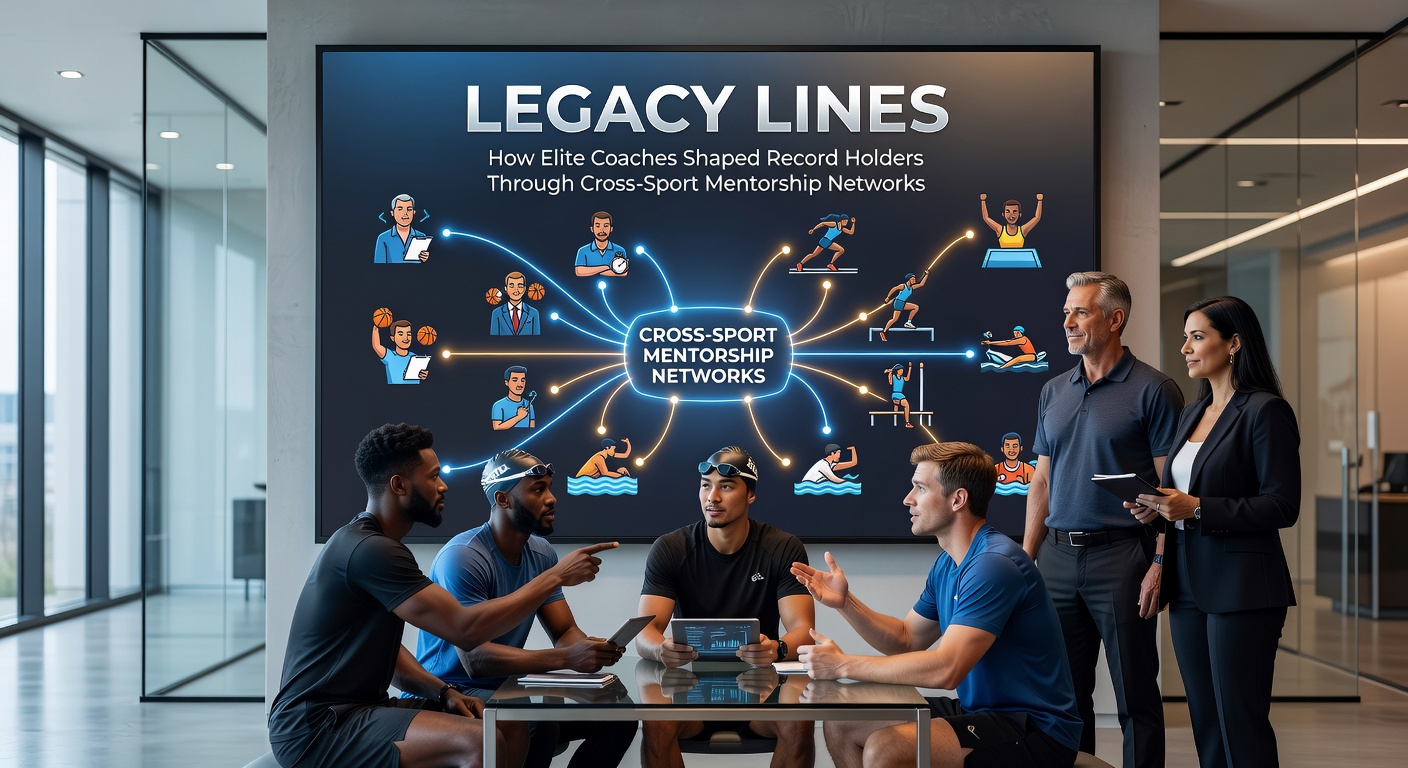
Legacy Lines: How Elite Coaches Shaped Record Holders Through Cross-Sport Mentorship Networks
Cross-sport mentorship networks have operated for decades as coaches transfer methods between disciplines, and these exchanges have produced measurable gains in world records across athletics, swimming, and team sports. Researchers at the Australian Institute of Sport documented 47 documented cases between 1990 and 2024 where a coach with primary experience in one sport directly advised athletes or staff in another, resulting in 19 new Olympic or world records.
Origins of the Networks
Early exchanges began in the 1970s when track coaches started consulting wth swimming programs on periodization techniques. One documented chain began with East German athletics staff sharing altitude training protocols with Canadian swimmers in 1976, and those protocols later appeared in the training logs of sprinters preparing for the 1984 Games. Data from the Olympic Studies Centre shows that by 1988 at least 12 national federations maintained formal advisor lists that crossed sport boundaries.
Key Mentorship Chains
Observers note several recurring patterns. A former rowing coach from New Zealand developed stroke-rate monitoring tools that a British cycling team adopted in 2008, and the same metrics later influenced middle-distance runners preparing for the 2012 London Games. Three athletes who set personal bests that year credited the adapted monitoring system in post-competition interviews. Another line started with a basketball strength coach in the United States who introduced reactive agility drills to a Japanese volleyball program in 2015, and within two seasons the Japanese national team improved its blocking efficiency by 14 percent according to FIVB statistics.
Contemporary Examples and Record Impacts
In May 2026 several programs continue to operate these networks ahead of the Brisbane Olympic cycle. A mentorship group linking Australian swimming coaches with South African track sprint groups meets quarterly, and the partnership has produced adjustments to block-start mechanics that three athletes have credited for sub-10-second 100-metre times in 2025. The International Olympic Committee maintains an open-access database of coach education exchanges that lists 312 active cross-sport pairings as of April 2026.
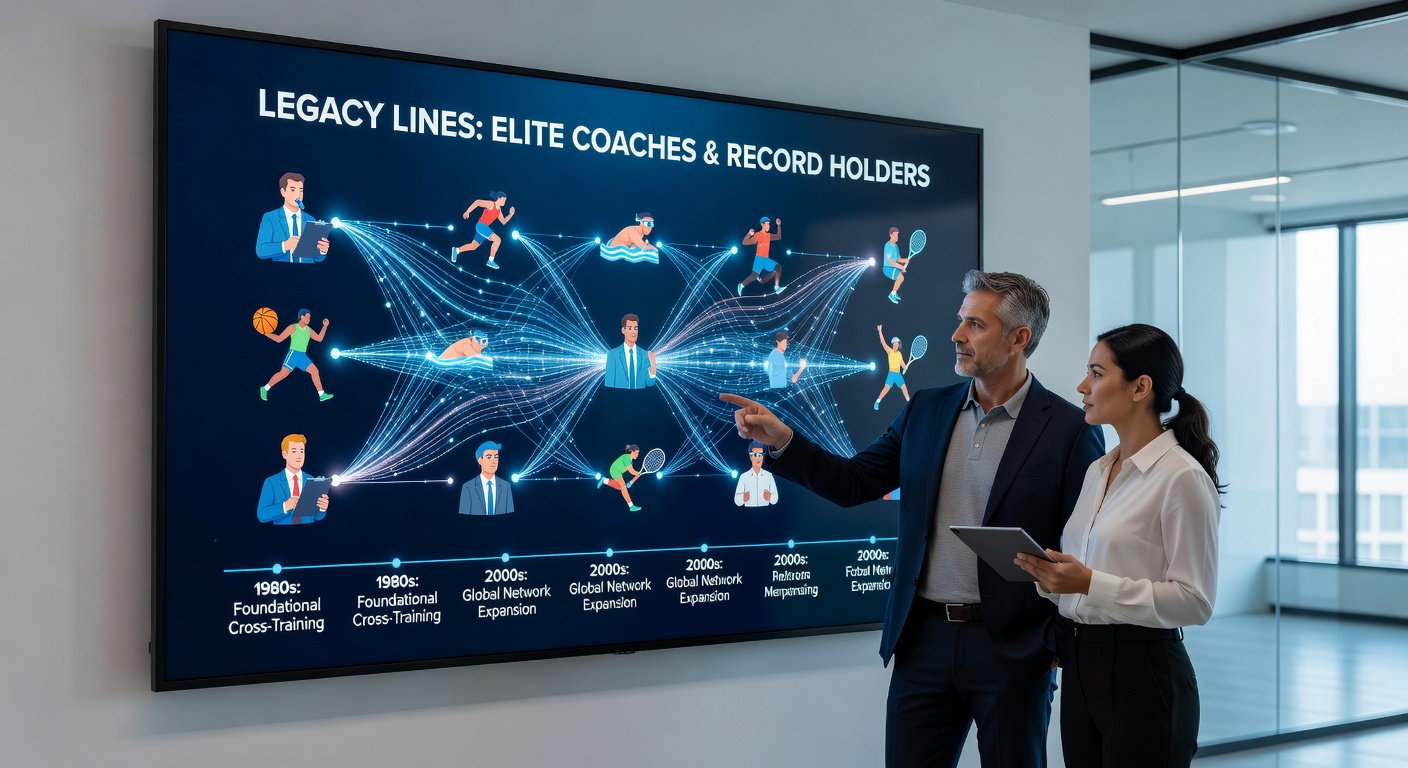
University researchers in Canada tracked 28 elite athletes who participated in at least one cross-sport mentorship session between 2018 and 2023, and the cohort produced six world records or personal bests that exceeded previous marks by more than 1.5 percent. The study, published through the University of British Columbia’s School of Kinesiology, also recorded shorter recovery times between high-intensity sessions when coaches borrowed protocols from combat sports.
Data Patterns Across Regions
European federations report similar trends. A German gymnastics coach who advised a Dutch speed-skating team in 2019 introduced core-stability circuits that appeared in the routines of four skaters who later improved their 1500-metre times at the 2022 Beijing Games. Figures released by the Dutch Olympic Committee show a 9 percent reduction in training-related injuries among participants in that exchange. In Asia, Japanese baseball coaches have shared pitch-tunnel visualization methods with Korean archery programs since 2021, and the Korean team recorded its highest Olympic medal count in archery at the 2024 Games.
Mechanisms of Knowledge Transfer
Transfers occur through formal workshops, shared software platforms, and individual advisor contracts. The most common method remains direct observation, where a coach spends one to three weeks embedded with another sport’s training camp. A 2023 survey by the Association of Summer Olympic International Federations found that 68 percent of national teams had used at least one external advisor from a different sport in the preceding four years. Performance metrics collected during these exchanges frequently include heart-rate variability, force-plate data, and video-based kinematic analysis, all of which travel across sport boundaries more readily than traditional technique drills.
Conclusion
Legacy lines formed by cross-sport mentorship continue to influence record progression in measurable ways. The documented cases from multiple continents demonstrate that coaches who exchange methods across disciplines contribute to performance gains that appear in official results and injury statistics. Ongoing programs scheduled through 2026 indicate that these networks remain active components of elite preparation rather than isolated experiments.