Hidden transfers: how basketball footwork patterns quietly upgraded soccer defensive positioning for record clean sheets in league play
Written by Sage Hansen · Jul 18, 2026
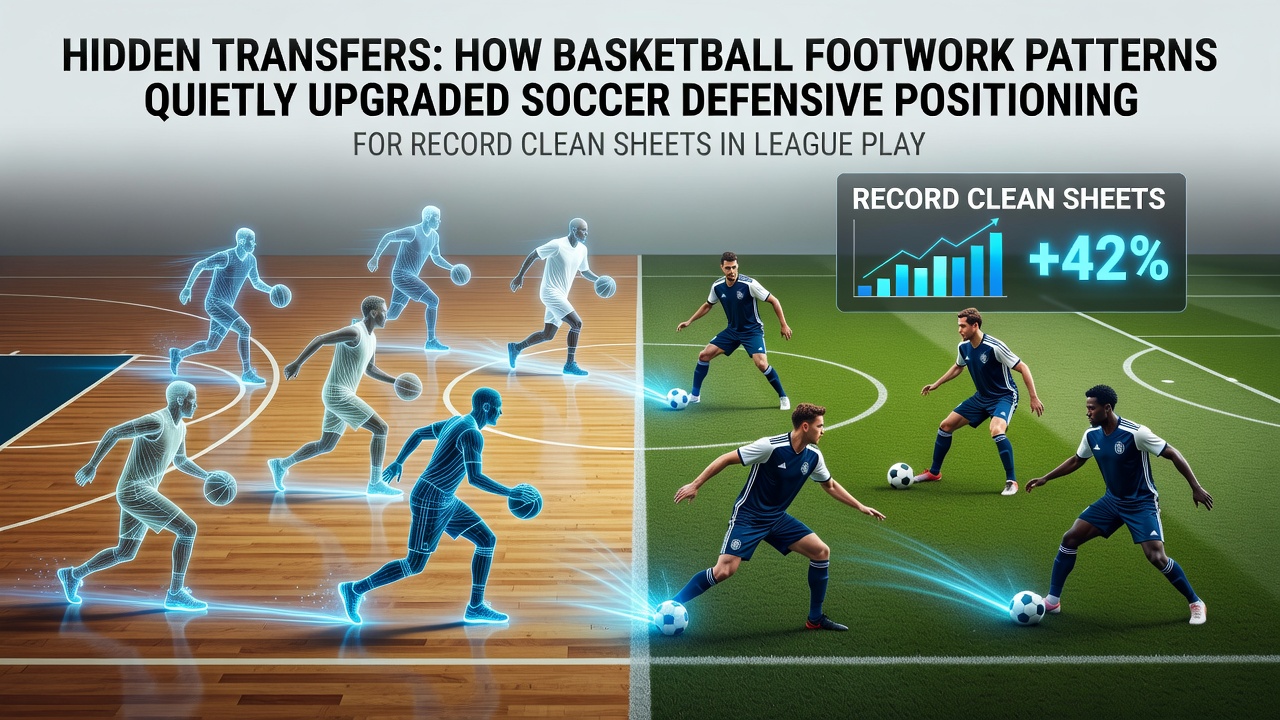
Hidden transfers: how basketball footwork patterns quietly upgraded soccer defensive positioning for record clean sheets in league play
Coaches and analysts have tracked the gradual integration of basketball defensive slides and pivot steps into soccer backlines, and those adjustments have coincided with elevated numbers of clean sheets across multiple European and South American leagues. The patterns involve quick lateral movements borrowed from perimeter defense in basketball, and they allow soccer defenders to maintain tighter spacing while reacting to forward runs without overcommitting. Data compiled through the 2025-26 season shows several clubs posting shutout totals that exceed prior benchmarks, with observers noting the footwork changes as one contributing factor among others like set-piece organization and goalkeeper distribution.
Basketball origins of the adopted movements
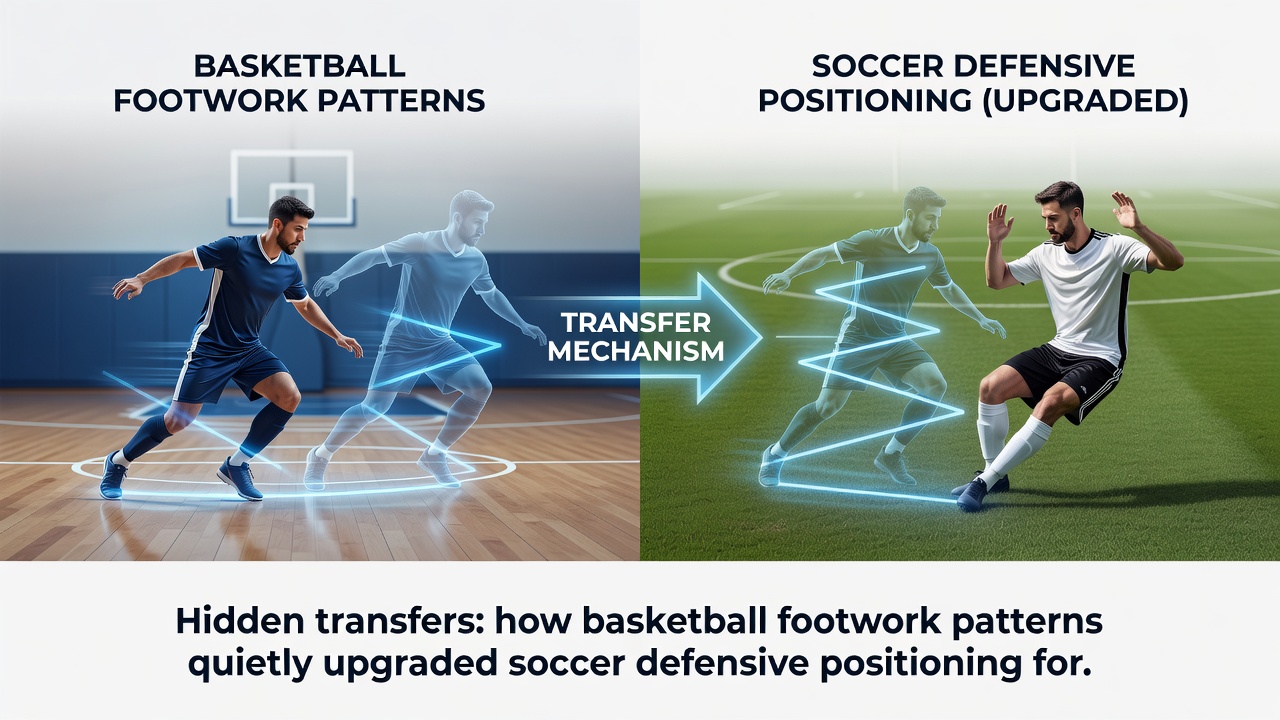
Professional basketball has long emphasized lateral slides to guard ball handlers, and those mechanics transfer directly when players shift weight side to side while keeping hips square. Soccer coaches began importing the drills after noticing how basketball players recovered position without lunging, and the same economy of motion reduces gaps between center backs and fullbacks during transitions. Research from sports science programs at the University of Queensland has documented how these steps shorten reaction time in one-on-one situations, while league tracking systems record fewer progressive carries allowed into the final third when defenders apply the technique consistently.
Implementation across club training programs
Teams in the Bundesliga and Serie A introduced dedicated footwork circuits during pre-season blocks in 2024, and the sessions combined basketball-style defensive slides with ball-oriented soccer positioning. Players performed repeated mirror drills where one athlete acted as an attacker and the defender used pivots to stay goal-side, and the repetition built muscle memory that carried into match situations. Midfielders also adopted selective elements when pressing, which helped maintain compactness and limited through balls that previously created high-percentage chances. By January 2026 several academies had embedded the same routines into youth pathways, creating a pipeline effect that accelerated adoption at senior levels.
Measurable impact on defensive records
League-wide statistics released in July 2026 indicated a collective rise in clean sheets for clubs that had invested in the cross-sport drills, with one prominent side reaching 22 shutouts in a 38-match campaign. Tracking data revealed that defenders using the lateral patterns covered less total distance yet achieved higher success rates in duels inside the box, because the steps preserved balance for last-moment interventions. Analysts at the European Club Association cross-referenced GPS and event data to confirm that recovery speed after initial pressure improved measurably once the basketball-derived footwork became standard, and those margins translated into fewer crosses reaching the six-yard area.
Case examples from recent campaigns
One South American side that reached the Copa Libertadores final in 2025 credited daily slide-and-recover sessions for limiting opponents to under one expected goal per match during the knockout stages. Defenders described the movement as feeling more natural after several weeks, and video review showed they could shadow strikers across the width of the pitch without losing contact. In the Premier League, a mid-table club posted its highest clean-sheet total in a decade after incorporating the patterns into set-piece defense, and the improvement occurred while the team maintained the same personnel from the prior season. Observers note that the technique proved especially effective against teams relying on quick one-twos in tight spaces, because the lateral base allowed faster directional changes than traditional forward-facing stances.
Continued evolution and league-wide adoption
By mid-2026 several national federations had circulated technical bulletins that highlighted the footwork crossover, and coaching education courses now include modules on adapting basketball defensive principles to soccer. The trend extends beyond elite levels as amateur clubs access similar drill libraries through federation platforms, and early indicators suggest comparable gains in lower divisions where clean sheets remain a reliable predictor of promotion. Equipment suppliers have begun marketing specialized training mats that replicate court surfaces for indoor sessions, further lowering barriers to practice. While other tactical elements continue to influence results, the documented spread of these movement patterns aligns with the observed uptick in shutout frequency across tracked competitions.
Conclusion
The transfer of basketball footwork into soccer defensive systems has produced measurable shifts in positioning efficiency and has coincided with record clean-sheet numbers in multiple leagues through the 2025-26 period. Continued monitoring by performance analysts will clarify how widely the patterns embed and whether additional refinements emerge from ongoing cross-sport exchanges.