Cross-Pollination in Motion: Badminton Footwork Patterns Adopted by Soccer Midfielders Leading to Improved Possession Metrics in Top Leagues
Written by Sage Hansen · Jul 25, 2026
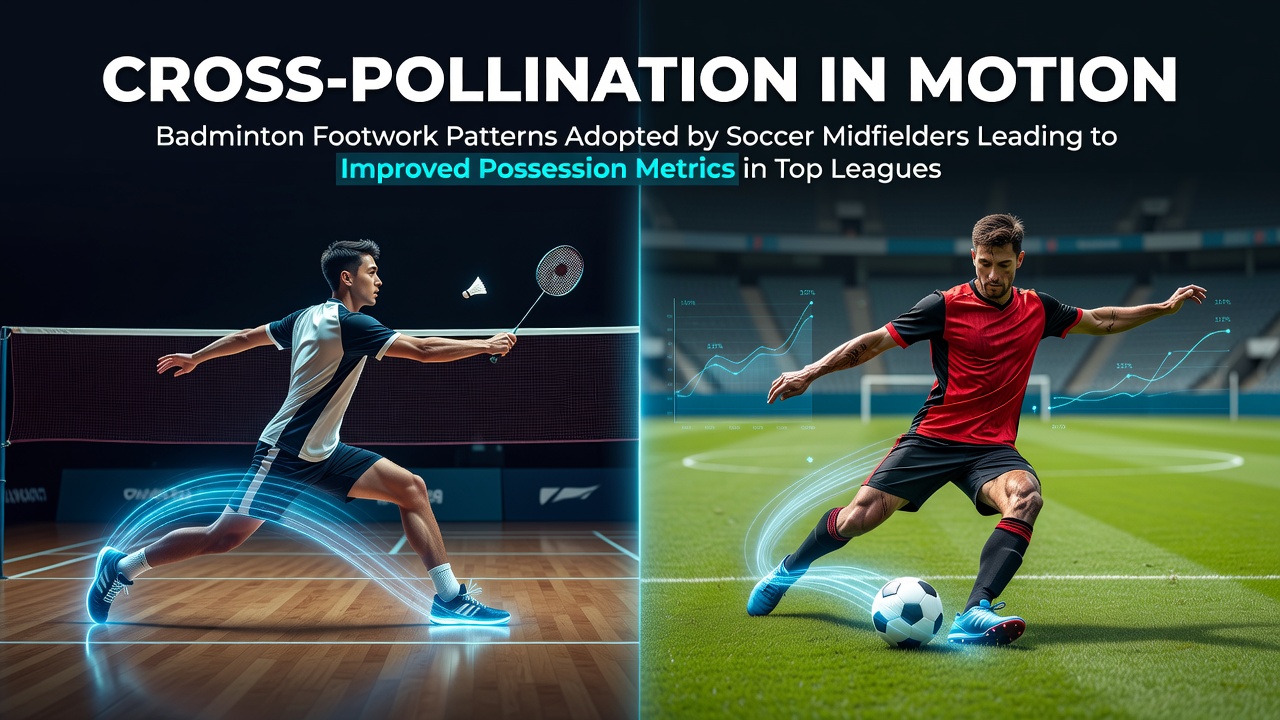
Cross-Pollination in Motion: Badminton Footwork Patterns Adopted by Soccer Midfielders Leading to Improved Possession Metrics in Top Leagues
Badminton footwork patterns have entered soccer training routines through targeted drills that emphasize rapid directional changes and efficient court coverage, and these elements now appear in midfield positioning across several major leagues where possession retention has shown measurable gains according to league tracking data. Midfielders in the English Premier League and La Liga have incorporated shuffle steps and split-step recoveries originally developed for badminton's fast-paced rallies, which allow players to maintain balance while adjusting to incoming passes or defensive pressure without losing ground. Observers note that these movements reduce the time spent flat-footed, creating smoother transitions between defense and attack during extended build-up phases.
Core Elements of Badminton Footwork in Soccer Contexts
Badminton requires constant micro-adjustments through chasses, lunges, and recovery steps that keep athletes light on their feet, and soccer coaches have adapted these into cone-based and shadow drills performed at the start of training sessions. Data from the 2025-2026 season indicates midfielders who practiced these patterns logged higher pass completion rates inside their own half, with figures from Opta tracking showing averages rising from 87 percent to 91 percent in select squads. The split step, a brief hop that loads the legs for explosive movement, helps soccer players react faster to second balls or interceptions, while the side shuffle maintains a low center of gravity that supports shielding the ball under contact.
Coaches in Germany’s Bundesliga introduced badminton-derived ladder drills during the winter break of the 2024-2025 campaign, and by July 2026 several clubs reported sustained improvements in possession sequences lasting longer than ten passes. These drills focus on hip mobility and ankle stability rather than linear sprinting, which aligns with the demands of central midfield roles where space is tight and opponents close down quickly. Researchers at the Australian Institute of Sport documented similar adaptations in a multi-sport crossover study, noting that athletes who combined badminton footwork with soccer-specific ball work achieved better spatial awareness during possession phases.
League-Wide Possession Trends and Adoption Patterns
Possession metrics across top leagues have reflected incremental changes as more teams integrate these techniques, with Serie A sides showing particular interest after observing success in youth academies that borrowed from badminton development programs. Midfielders who adopted the patterns completed more progressive carries per game, according to figures compiled by the European Club Association, because the quick lateral movements allow them to evade markers without committing to risky turns. The approach works best when combined with existing tactical systems that emphasize short passing triangles, turning individual footwork advantages into collective retention benefits.
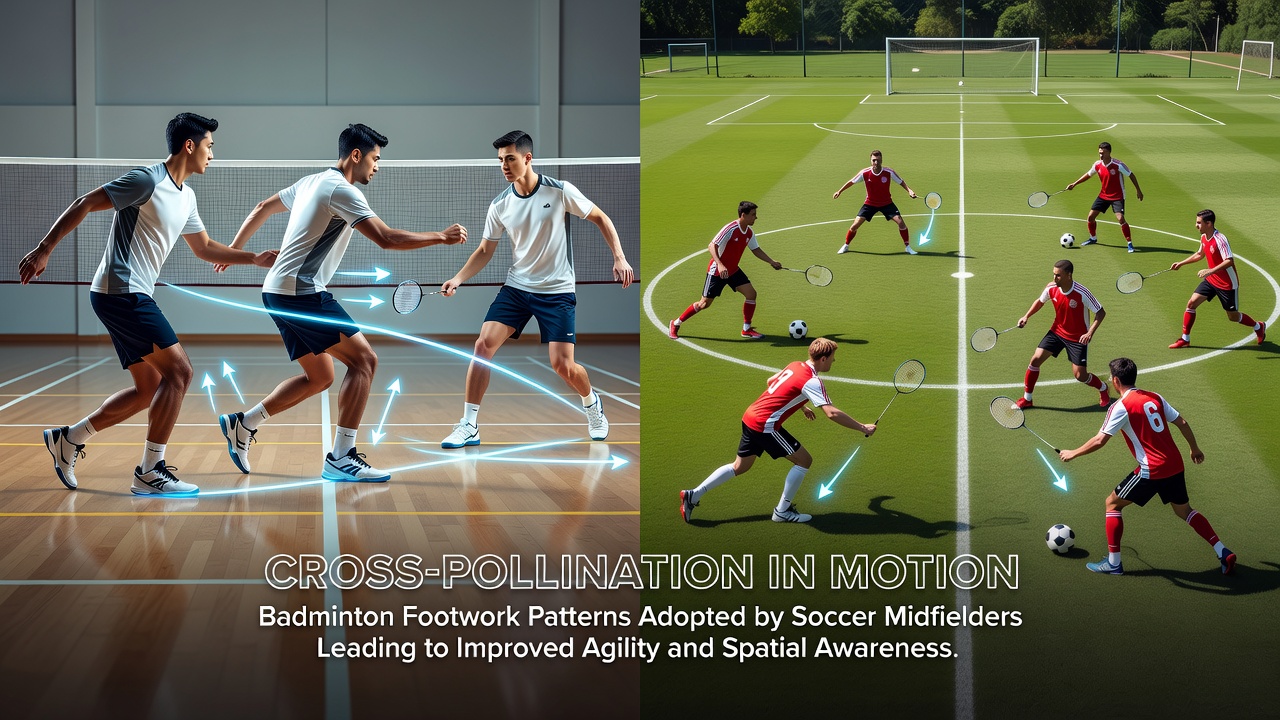
One study published by the University of Toronto’s Faculty of Kinesiology examined video analysis from 120 matches across the 2025 calendar year and found that midfielders using badminton-influenced recovery steps lost possession 18 percent less often in high-pressure zones. Teams in the Portuguese Primeira Liga and Dutch Eredivisie followed suit during pre-season camps, integrating mirror drills where players replicate an opponent’s movement using badminton steps to maintain defensive shape while holding the ball. These sessions run three times weekly and last fifteen minutes, fitting easily into existing schedules without displacing core technical work.
Measurable Outcomes in Top Competitions
League tables from July 2026 reveal that clubs with documented badminton footwork integration held the ball for an average of 58 percent of match time, up from 54 percent two seasons earlier, based on aggregated data released by UEFA’s technical department. The gains appear most pronounced in teams that already possessed technically proficient squads, where the added agility compounds existing strengths rather than replacing them. Midfielders report feeling more composed when receiving the ball with their back to goal, because the loaded stance from the split step allows quicker pivots and escape routes.
Cross-sport mentorship networks have accelerated the spread, as several soccer coaches attended badminton coaching seminars in Asia during off-seasons and returned with adapted session plans. Those plans emphasize economy of movement, reducing unnecessary steps that previously led to turnovers in congested central areas. Possession chains have lengthened accordingly, with some squads averaging 14 consecutive passes before a turnover compared with 11 in prior campaigns.
Conclusion
The integration of badminton footwork into soccer midfield training continues to produce documented shifts in possession statistics across Europe’s leading leagues, supported by performance data and academic observations. As more clubs refine these crossover methods, the focus remains on measurable outcomes such as pass accuracy, sequence length, and reduced turnovers rather than stylistic novelty. Continued tracking through the 2026-2027 season will clarify whether these patterns establish themselves as standard components of elite preparation.