Ballpark Legacies: How Iconic Matches in Baseball Shaped the Development of Modern Replay Review Systems for Record Verification
Written by Dana Lorenz · Jul 11, 2026
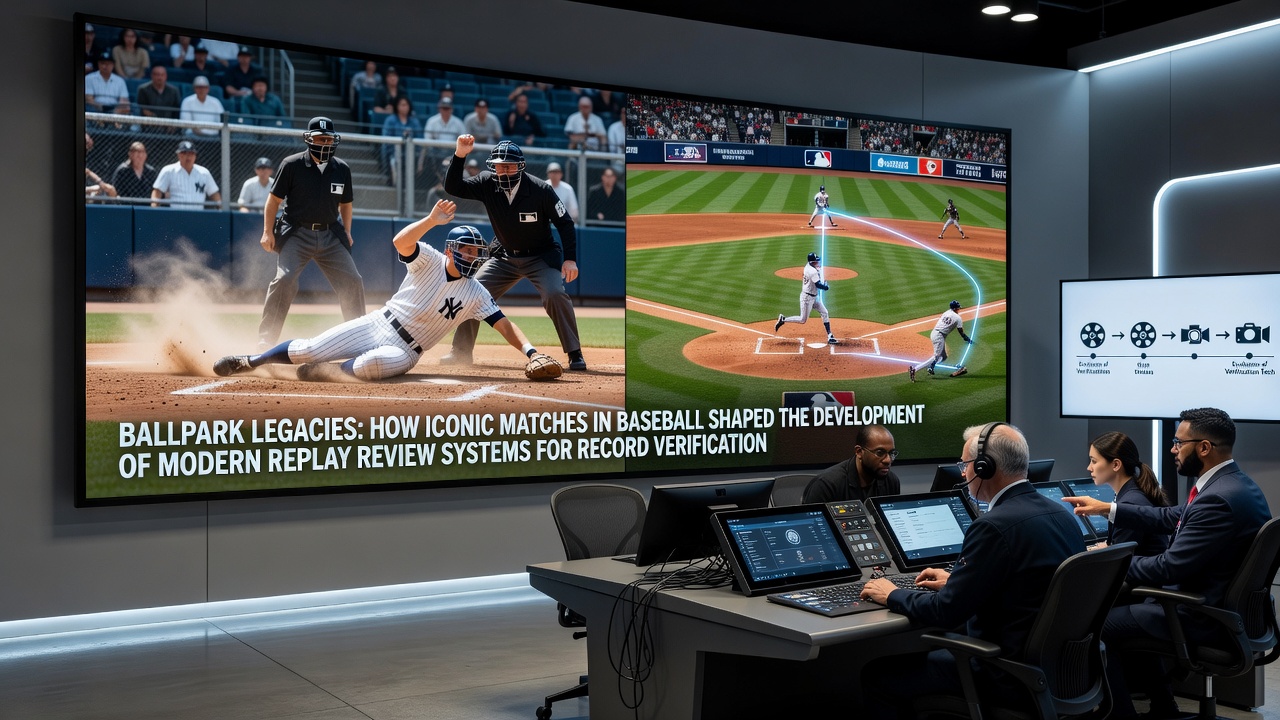
Ballpark Legacies: How Iconic Matches in Baseball Shaped the Development of Modern Replay Review Systems for Record Verification
Baseball's record books have long depended on accurate on-field calls, yet several high-profile matches exposed limitations in human judgment that prompted gradual adoption of replay technologies. Those who've studied the sport's evolution point to specific games where disputed plays altered potential records and forced administrators to reconsider verification methods. Data from Major League Baseball shows that early experiments with video review began in limited forms before expanding based on patterns observed across multiple seasons.
Early Controversies and Their Lasting Effects
One notable incident occurred during the 1996 American League Championship Series when a young fan reached over the outfield wall to interfere with a batted ball, turning a potential out into a home run that advanced the New York Yankees toward the World Series. Officials at the time lacked tools to review the play from multiple angles, leaving the outcome dependent on a single umpire's view. Researchers at the Society for American Baseball Research later documented how such events highlighted inconsistencies in record-keeping, as similar plays in prior decades had sometimes received different rulings without standardized review processes.
Another pivotal moment came in 2010 when Detroit Tigers pitcher Armando Galarraga retired 26 consecutive Cleveland Indians batters only to have the final out overturned by an umpire's incorrect safe call at first base. Video evidence circulated widely afterward, demonstrating clear discrepancies between the live decision and available footage. Figures from the Elias Sports Bureau indicate this game prompted internal discussions within baseball operations about expanding review capabilities, though full implementation took several more years.
Timeline of Replay System Implementation
MLB introduced a limited instant replay system in 2008 that allowed managers to challenge certain boundary calls such as home runs and foul lines. According to league records, this initial framework resolved 57 percent of reviewed plays in favor of the original call during its first season. Observers note that the system grew from these targeted applications because data collected from early challenges revealed higher accuracy rates when multiple camera angles became available.
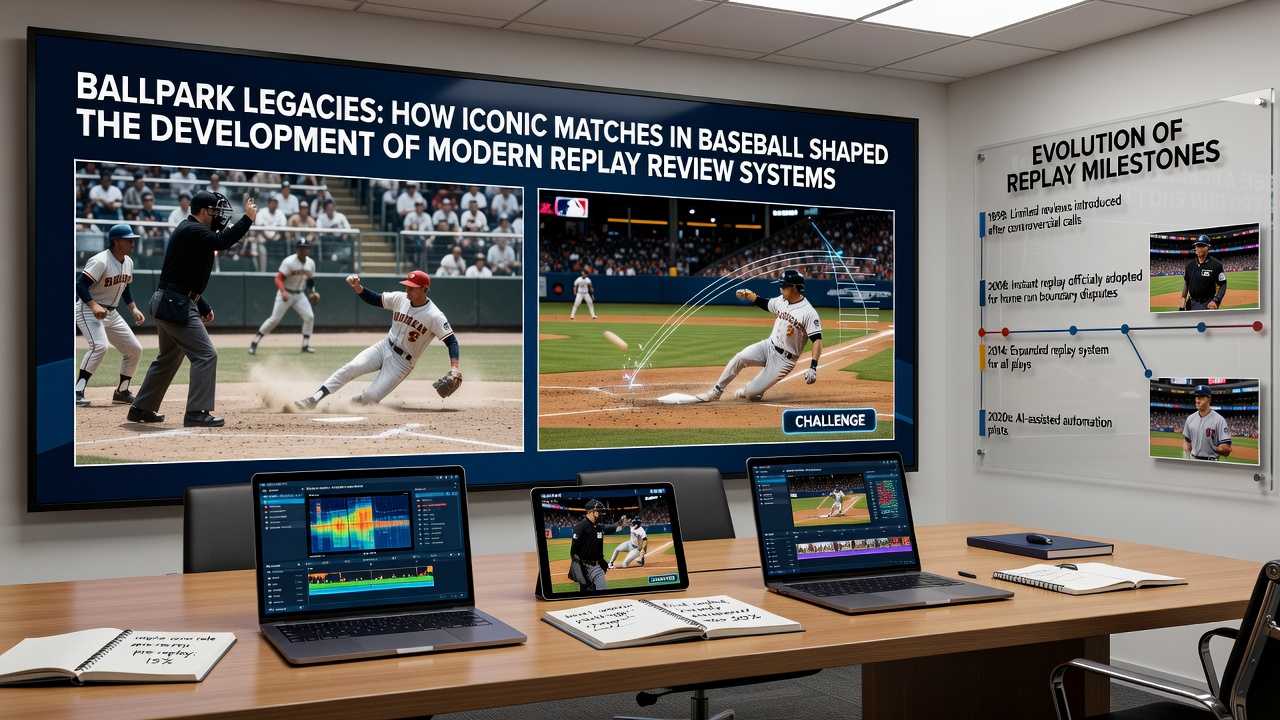
By 2014 the review process expanded dramatically to include most fair-foul decisions, tag plays, and force outs, with exceptions for balls and strikes. A report compiled by the Baseball Operations department tracked over 1,200 reviews in the expanded system's debut year, showing that replay officials overturned approximately 46 percent of challenged calls. Those who've examined the statistics attribute this shift directly to accumulated evidence from earlier disputed matches that had influenced record outcomes without technological intervention.
Impact on Record Verification Processes
Modern replay protocols require centralized review centers where trained officials examine synchronized video feeds within strict time limits, typically under two minutes per challenge. League guidelines specify that only managers may initiate reviews, and certain categories of plays remain non-reviewable to preserve game flow. Research published through academic sports studies programs demonstrates that these procedures have reduced discrepancies in official scoring decisions compared to pre-replay eras, particularly for plays affecting hits, errors, and earned runs.
International adaptations followed similar paths in leagues such as Nippon Professional Baseball, where replay reviews for boundary calls began in 2014 after comparable on-field disputes. Data compiled by the league's statistics office shows consistent application across international tournaments, leading to standardized protocols that align more closely with MLB practices. Experts have observed that cross-league comparisons of review success rates encouraged further refinements, including the addition of dedicated replay umpires at major events.
Current Practices and Ongoing Adjustments
As of mid-2026, MLB continues to evaluate replay technologies including automated ball-strike systems tested in minor leagues, though full integration remains under review. Reports from the Commissioner's Office detail pilot programs that combine human oversight with computer-assisted tracking for specific call types. Those monitoring these developments note that earlier iconic matches continue to serve as reference points when administrators assess new verification tools.
Training for umpires now incorporates extensive video analysis drawn from historical disputed plays, helping crews anticipate situations that previously required post-game corrections. Statistical tracking maintained by the Professional Baseball Umpires Association indicates measurable improvements in initial call accuracy since the expanded replay era began.
Conclusion
Iconic baseball matches provided the catalyst for replay review systems that now support more consistent record verification across professional leagues. The progression from limited boundary reviews to comprehensive challenges reflects responses to documented patterns in disputed plays. Data collected over multiple seasons continues to guide refinements while maintaining the balance between accuracy and game integrity that defines the sport's statistical foundation.