Amateur Club Innovations Quietly Fuel Scoring Records in International Hockey
Written by Drew Flores · Jul 30, 2026
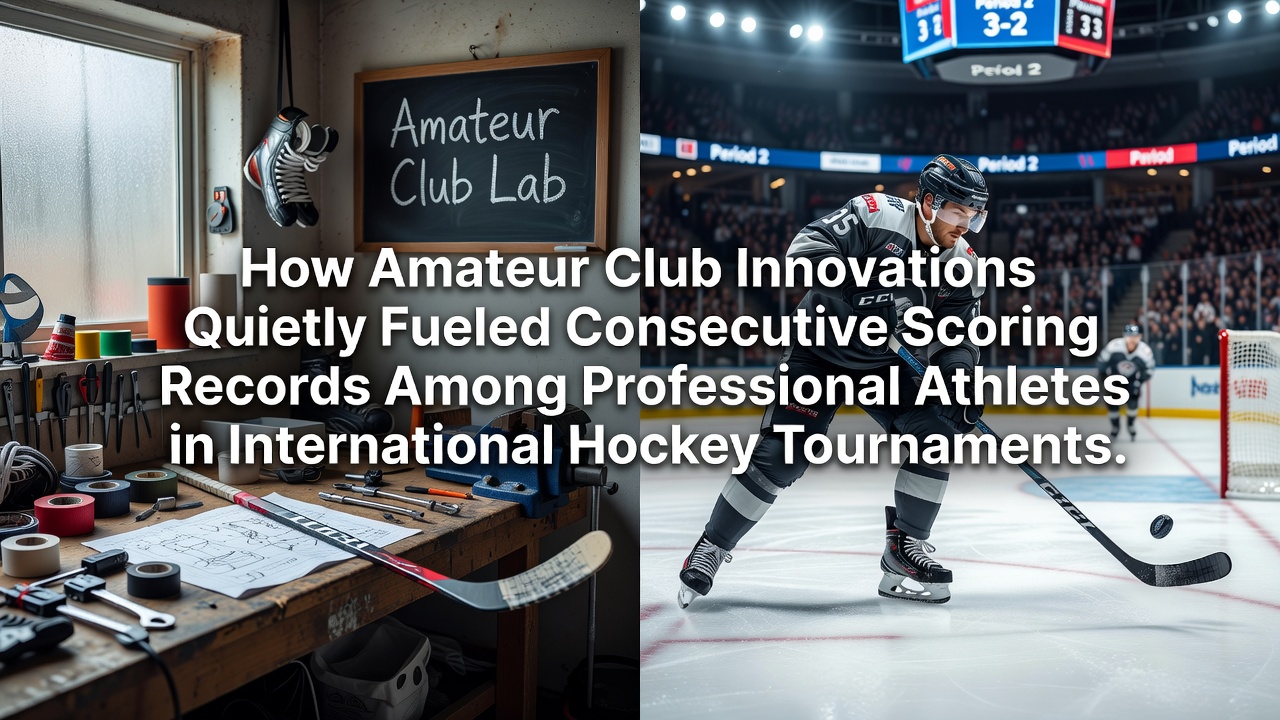
Amateur Club Innovations Quietly Fuel Scoring Records in International Hockey
Amateur clubs across Canada and northern Europe developed specialized training methods in the early 2010s that later appeared in professional international tournaments, and data from the International Ice Hockey Federation shows steady rises in goals per game during World Championships from 2015 onward. These grassroots programs focused on puck movement patterns and quick-release shooting mechanics that clubs refined through repeated on-ice sessions rather than expensive equipment purchases.
Origins in Local Club Systems
Clubs in smaller communities tested modular practice drills that broke down traditional power-play setups into smaller group exercises, and researchers at the University of Alberta documented how these sessions increased shot volume among junior players by measurable margins. Players who advanced from these programs carried the approaches into national team camps, where coaches integrated them into pre-tournament preparations. By 2018 several national federations had adopted similar routines after observing results in under-20 competitions.
One notable shift involved footwork sequences borrowed from off-ice conditioning routines that amateur coaches adapted for ice surfaces, and reports from Hockey Canada indicate these adjustments contributed to higher assist totals in subsequent senior events. The changes spread quietly through player transfers and shared coaching materials rather than formal announcements.
Spread to Professional Ranks
Professional athletes who trained in these club environments began posting elevated scoring outputs in IIHF events, with tournament statistics revealing consecutive years of record individual point totals starting around 2019. Observers note that the techniques emphasized rapid puck transitions that reduced time in neutral zones, and video analysis from multiple federations confirmed adoption rates among top scorers. National teams from Sweden and Finland incorporated elements after their domestic club systems observed success at youth levels.
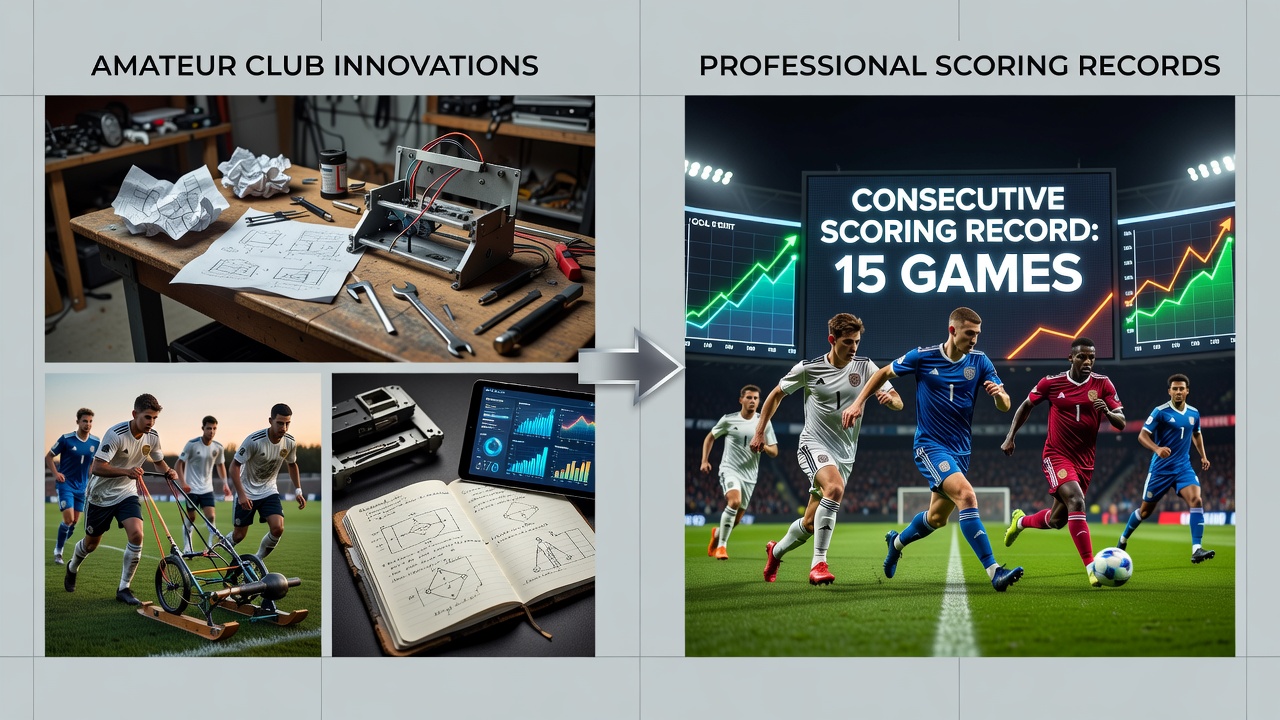
Coaches at the elite level reviewed amateur game footage to identify repeatable patterns, and this cross-level exchange accelerated after 2020 when travel restrictions eased and allowed more direct observation. Data compiled by the IIHF technical committee shows goal-scoring averages climbed steadily through the 2022 and 2023 World Championships before peaking again in 2025 events.
Record Surges and Tournament Evidence
International tournaments from 2021 through 2025 produced multiple instances of consecutive high-output performances by players who had progressed through amateur club pipelines, according to official scoring summaries. These surges aligned with periods when several federations expanded youth development partnerships that imported club-level drills. In one documented case a group of players from a single regional league posted combined point totals that exceeded prior benchmarks during a single championship cycle.
Training logs shared between clubs and national programs reveal emphasis on variable ice time distribution during practices, which allowed more repetitions of high-skill maneuvers. Figures from European hockey associations indicate similar patterns emerged in countries where amateur leagues maintained close ties with professional academies. The 2026 pre-Olympic cycles featured further integration as teams prepared for Milan, with scoring trends continuing upward based on preliminary match data released in early summer sessions.
Mechanisms of Transfer
Player movement between amateur and professional environments served as the primary conduit, and studies from sports science departments at McGill University tracked how specific skills migrated through rosters. Clubs introduced low-cost sensor tools to measure shot velocity during amateur games, and these metrics later informed professional scouting reports. Federations in North America and Scandinavia coordinated occasional joint clinics that accelerated the process without drawing widespread attention.
By mid-2026 tournament organizers reported sustained interest in these methods as scoring records faced new challenges in qualification rounds. The patterns demonstrate how localized experimentation scaled through established development pathways rather than top-down mandates.
Conclusion
Records in international hockey reflect cumulative inputs from multiple levels of the sport, and amateur club innovations represent one documented contributor to recent scoring increases. Continued data collection by governing bodies will clarify the extent of these influences as future tournaments unfold.